Orthoses are specialized medical devices used for fixation, support, stabilization and offloading of joints, the spine and limbs.
They help reduce pain, restrict unwanted movement, accelerate recovery after injuries and surgery, and prevent further damage to joints and ligaments.
Modern orthoses are used in orthopedics, traumatology, neurology, sports medicine and rehabilitation. They may be used temporarily — during the recovery period — or on a long-term basis for chronic conditions and musculoskeletal disorders.
An orthosis is a medical orthopaedic device that holds a specific part of the body in the correct position and helps reduce the load on joints, muscles, ligaments and the spine.
Unlike standard elastic bandages, orthoses provide more precise and effective fixation.
Depending on their design, orthoses can:
Orthoses are used for:
Orthoses may be prescribed for:
Spinal Orthoses
Joint Orthoses
Provides support and light stabilization. Used for prevention and during low-intensity activity.
Limits some movement and reduces load on joints and the spine.
Used for: injuries, pain, joint instability and during the recovery period.
Maximally restricts movement.
Used: after surgery, for fractures and serious ligament or joint injuries.
Selecting the right orthosis is essential for effective treatment and patient comfort.
The following factors are considered:
An incorrectly fitted orthosis may:
Custom fabrication tailored to each patient’s individual needs
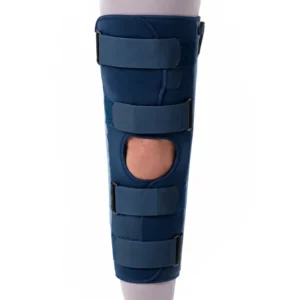
One of the most in-demand orthosis types. Used for:
Orthoses help reduce load on the knee, stabilize the joint and improve movement safety.
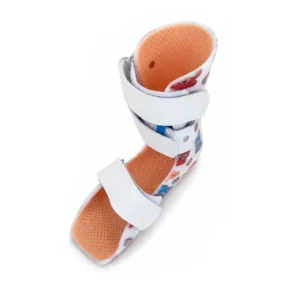
Used to stabilize the ankle and support the foot. Prescribed for:
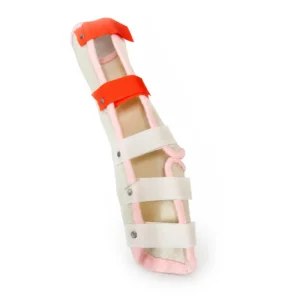
Used for:
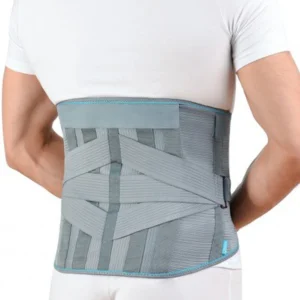
Used to support the lumbar spine and reduce back load. Prescribed for:
At our centre you can receive a free orthopaedic consultation.
During the consultation, the specialist will:
Timely use of an orthosis helps reduce load on damaged joints, ligaments and muscles, alleviate pain and create the right conditions for proper recovery.
After injuries, surgery or in cases of musculoskeletal disease, joints and the spine often need additional support. Without adequate fixation, load on the damaged area persists, which can slow recovery and increase discomfort.
An orthosis helps to:
The cost of an orthosis depends on: device type, fixation level, design, materials used, fabrication complexity and individual patient characteristics. Prices may also vary depending on the purpose of the orthosis and the required level of support.
Approximate orthosis prices in Ukraine
Our centre offers free orthosis provision under the government rehabilitation aids programme. We help patients through every step of the process — from initial consultation to receiving their device.
Who is eligible for a free orthosis
The following are entitled to receive one:
All-Ukrainian Center for Rehabilitation and Prosthetics “Zdorovia” provides free individual services to persons with disabilities, supplying them with prosthetic and orthopaedic devices.
Our work is built on the extensive experience of our European partners, allowing us to produce comfortable and individually tailored prosthetic and orthopaedic devices for people with disabilities.
We have assembled a team of professionals with years of experience and a commitment to fulfilling every patient’s needs.
If you need an orthosis for the knee, ankle, hand or lumbar spine — contact our centre.
👉 Book a free orthopaedic consultation and get help selecting and obtaining an orthosis through the government programme.
Answers to common questions about orthoses
❓ How do I know which orthosis I need?
The choice of orthosis depends on the diagnosis, degree of damage, activity level and required fixation. An orthopaedist can help select the right model after examining and assessing the condition of the joint or spine.
❓ What is the difference between an orthosis and a bandage?
An orthosis provides stronger fixation and stabilization. Bandages are typically used for light support, prevention and load reduction.
❓ How long do I need to wear an orthosis?
The duration depends on the condition, injury and specialist’s recommendations. In some cases the orthosis is worn only during activity; in others it is used daily throughout rehabilitation.
❓ Can I walk and carry out daily activities while wearing an orthosis?
Yes. Most orthoses are designed for everyday use and help make movement safer and more comfortable.
❓ Can I exercise while wearing an orthosis?
Some orthoses are suitable for sports and help reduce the risk of re-injury. Whether exercise is possible depends on the type of orthosis and the condition of the joint.
❓ How do I choose the right size?
Size is selected individually based on measurements and the patient’s anatomical features. An incorrect size can reduce fixation effectiveness and cause discomfort.
❓ Will the orthosis restrict my movement?
This depends on the fixation level. Some models only support the joint; others partially or significantly limit movement to protect the damaged area.
❓ Can an orthosis be used after surgery?
Yes. Orthoses are frequently prescribed after surgery to stabilize the joint, reduce load and support safe recovery.
❓ Does an orthosis help reduce pain?
Yes. By providing fixation and reducing load, an orthosis helps alleviate pain and improve comfort during movement.
❓ Can I wash an orthosis?
Most orthoses can be cleaned and washed according to the manufacturer’s instructions. Proper care helps maintain the shape and properties of the device.
❓ Can I wear an orthosis all day?
This depends on the device type and the specialist’s recommendations. Some orthoses are intended for extended wear; others are used only during activity or physical exertion.
❓ Can an orthosis replace medical treatment?
No. An orthosis is part of a comprehensive treatment and rehabilitation plan. It helps support and offload joints but does not replace treatment prescribed by a doctor.
❓ What happens if I don’t use an orthosis when I need one?
Without adequate fixation, pain may worsen, joints may become overloaded, re-injury is more likely and recovery may be significantly delayed.