1
The earlier prosthetic fitting begins, the easier recovery is
After a below-knee amputation, muscles gradually lose strength and joints may become less mobile. Postponing prosthetic fitting and rehabilitation for a long time increases the risk of contractures, worsens movement coordination and reduces physical fitness. In the absence of medical contraindications, it is recommended to start preparing for prosthetic fitting as early as possible.
2
The condition of the residual limb directly affects how comfortable the prosthesis is
The comfort and functionality of a below-knee prosthesis largely depend on the condition of the residual limb. Before prosthetic fitting begins, it is important to follow the specialists’ recommendations on skin care, perform exercises to maintain knee joint mobility and strengthen the muscles, and monitor the condition of the postoperative scar.
A well-prepared residual limb makes it possible to produce a more precise prosthetic socket, get used to the prosthesis faster and avoid many potential problems during rehabilitation.
3
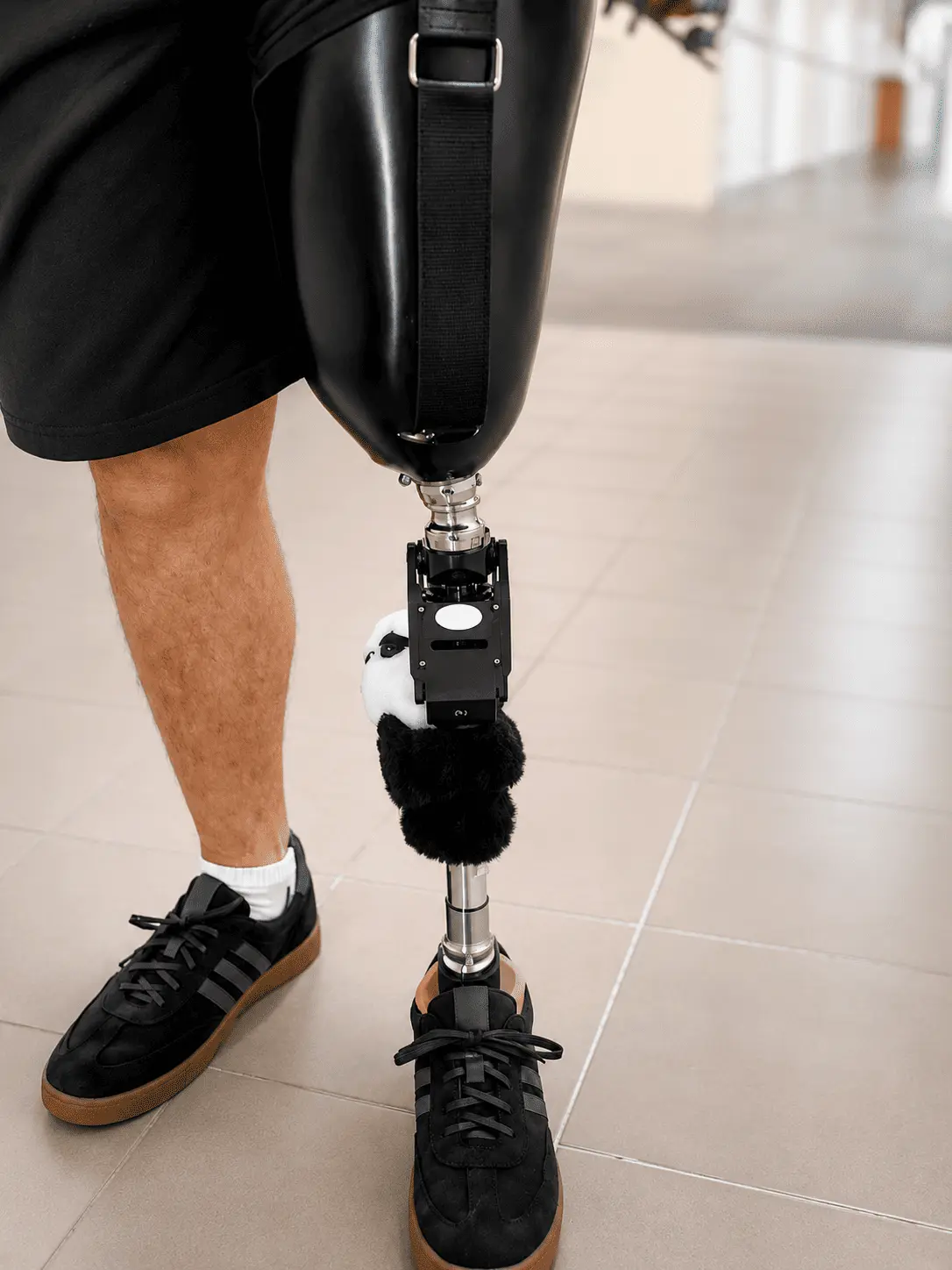
A below-knee prosthesis is always made individually
Even at the same level of amputation, the design of the prosthesis can differ considerably. The selection takes into account the length of the residual limb, body weight, age, level of physical activity, occupation, lifestyle and rehabilitation goals.
That is why every below-knee prosthesis is designed individually, and all components are selected according to the features of the particular patient.
4
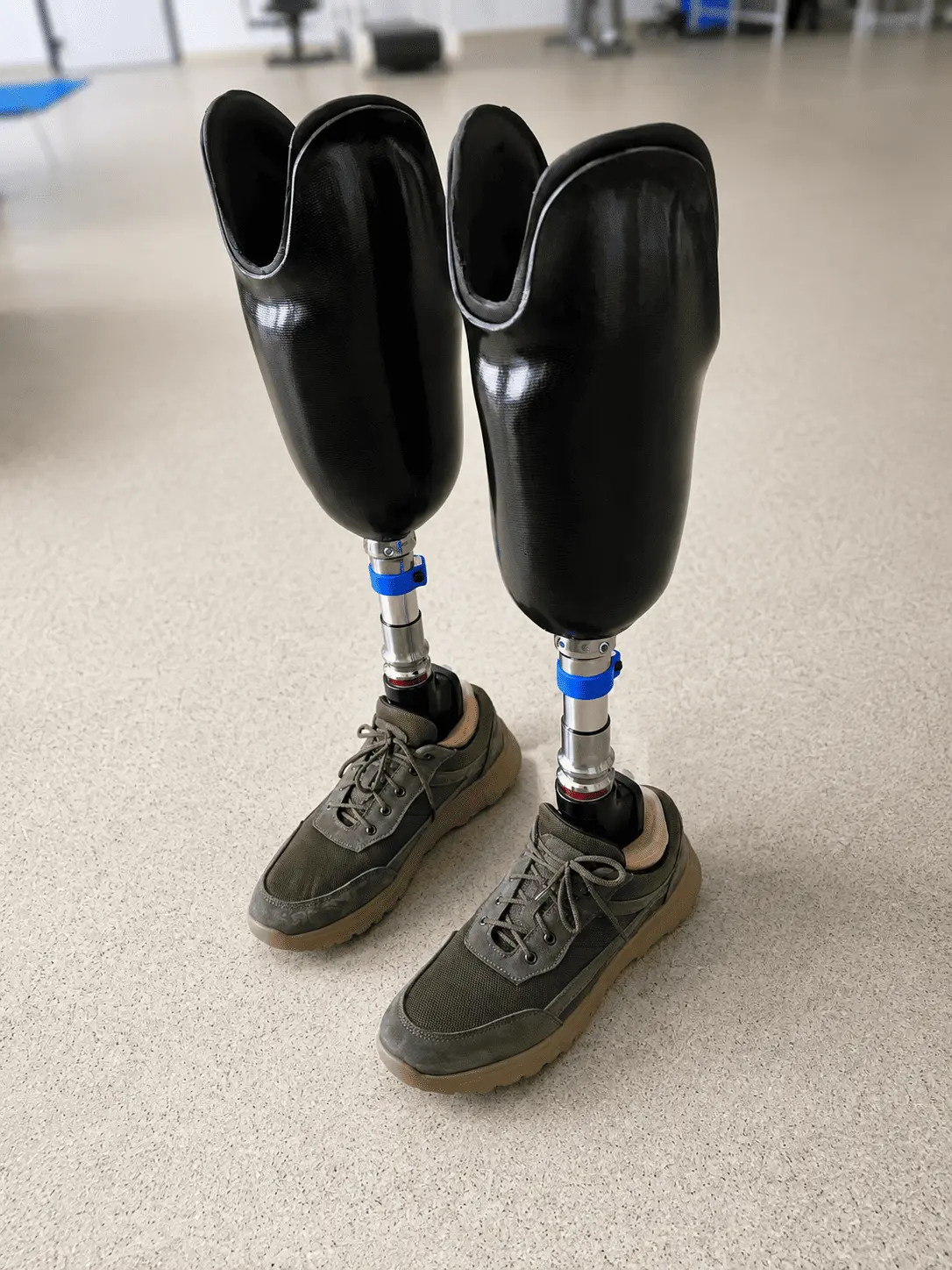
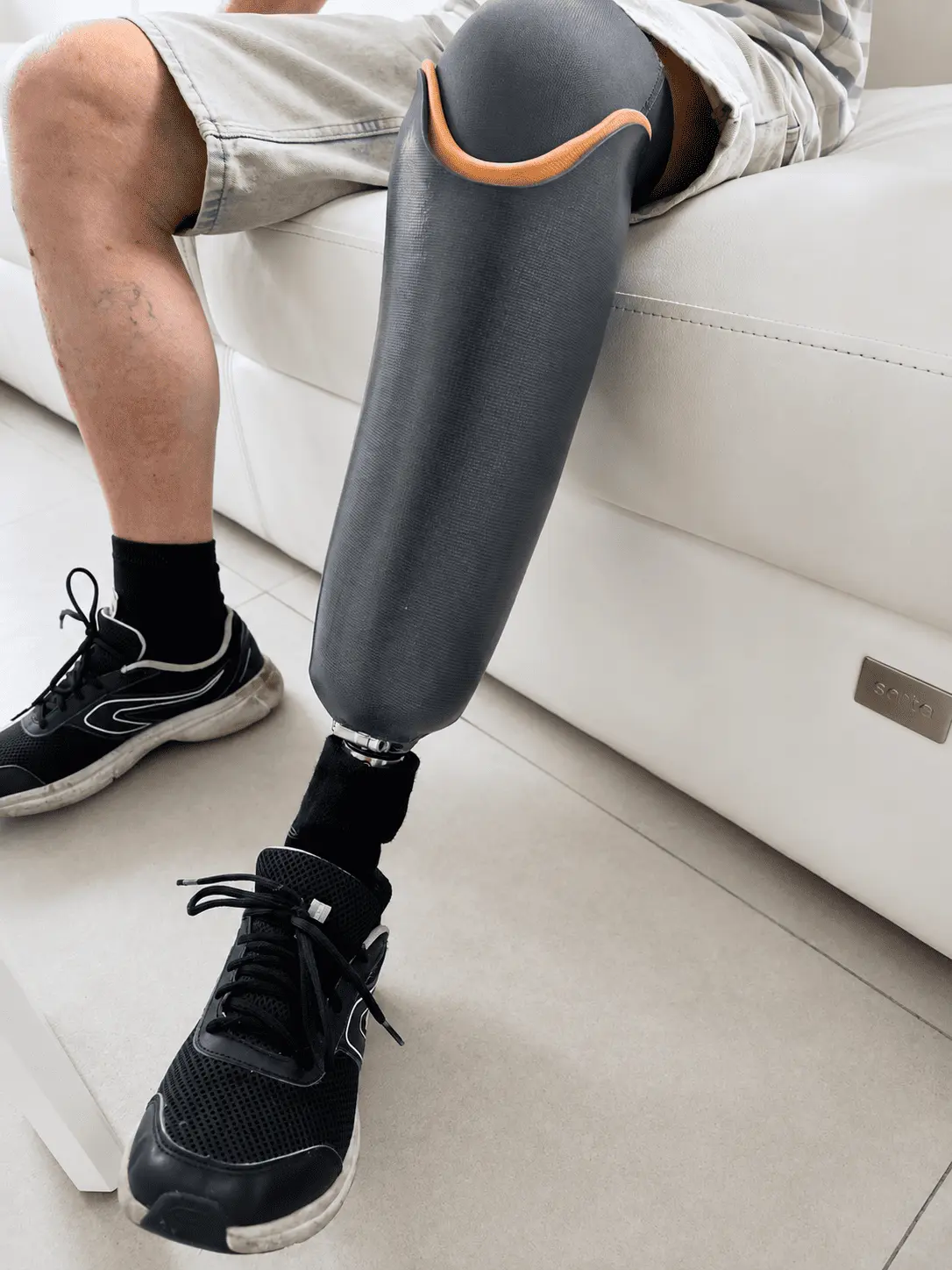
A properly made prosthetic socket matters more than many components
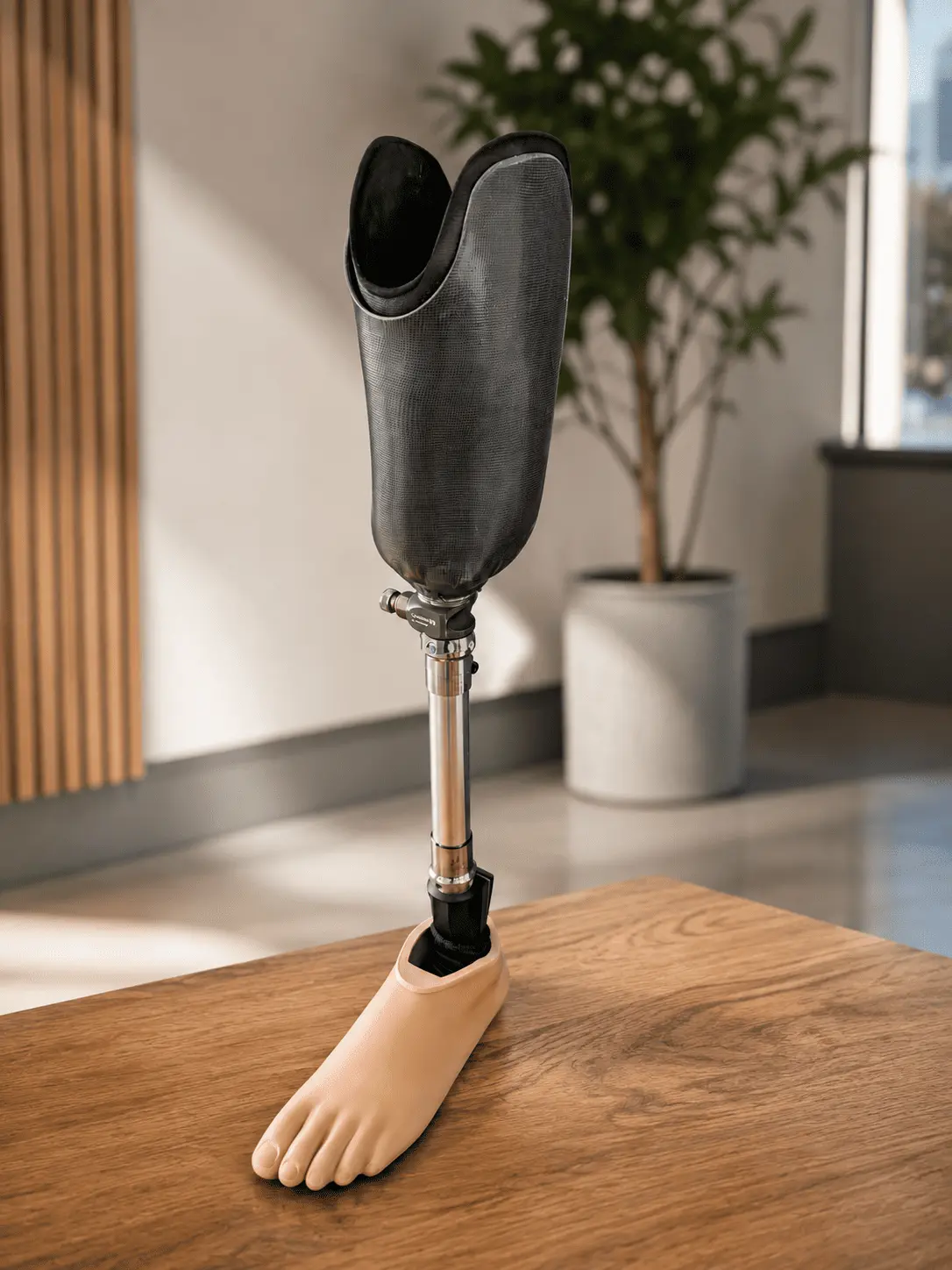
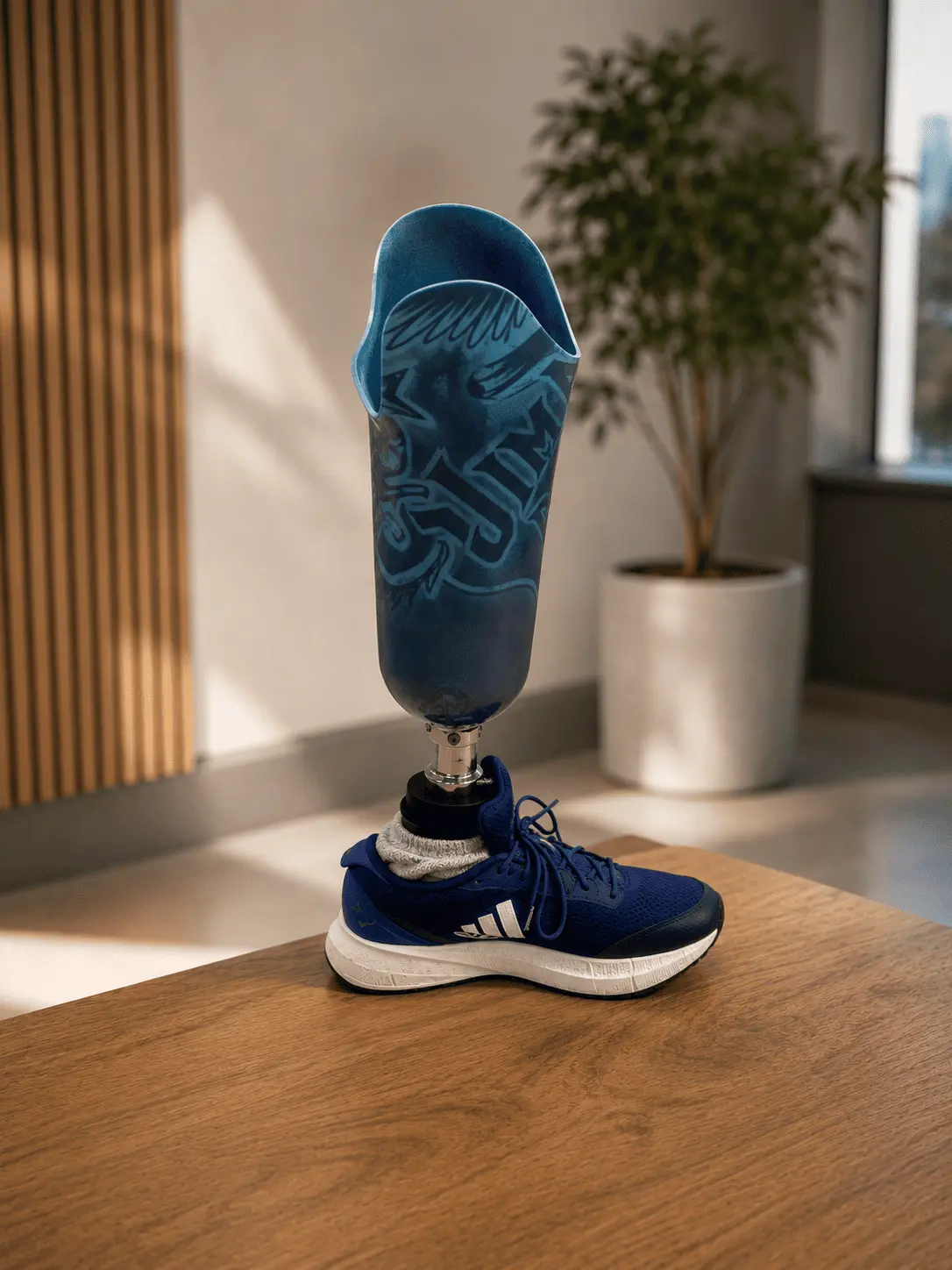
It is the prosthetic socket that provides the contact between the residual limb and the prosthesis. If it is made imprecisely, this can lead to chafing, painful sensations, instability while walking and rapid fatigue.
That is why special attention is paid to the manufacture and adjustment of the prosthetic socket. Sometimes several fittings and corrections are required to achieve the perfect result.
5
A modern prosthesis requires professional adjustment
Even the highest-quality components cannot ensure comfortable walking without proper adjustment.
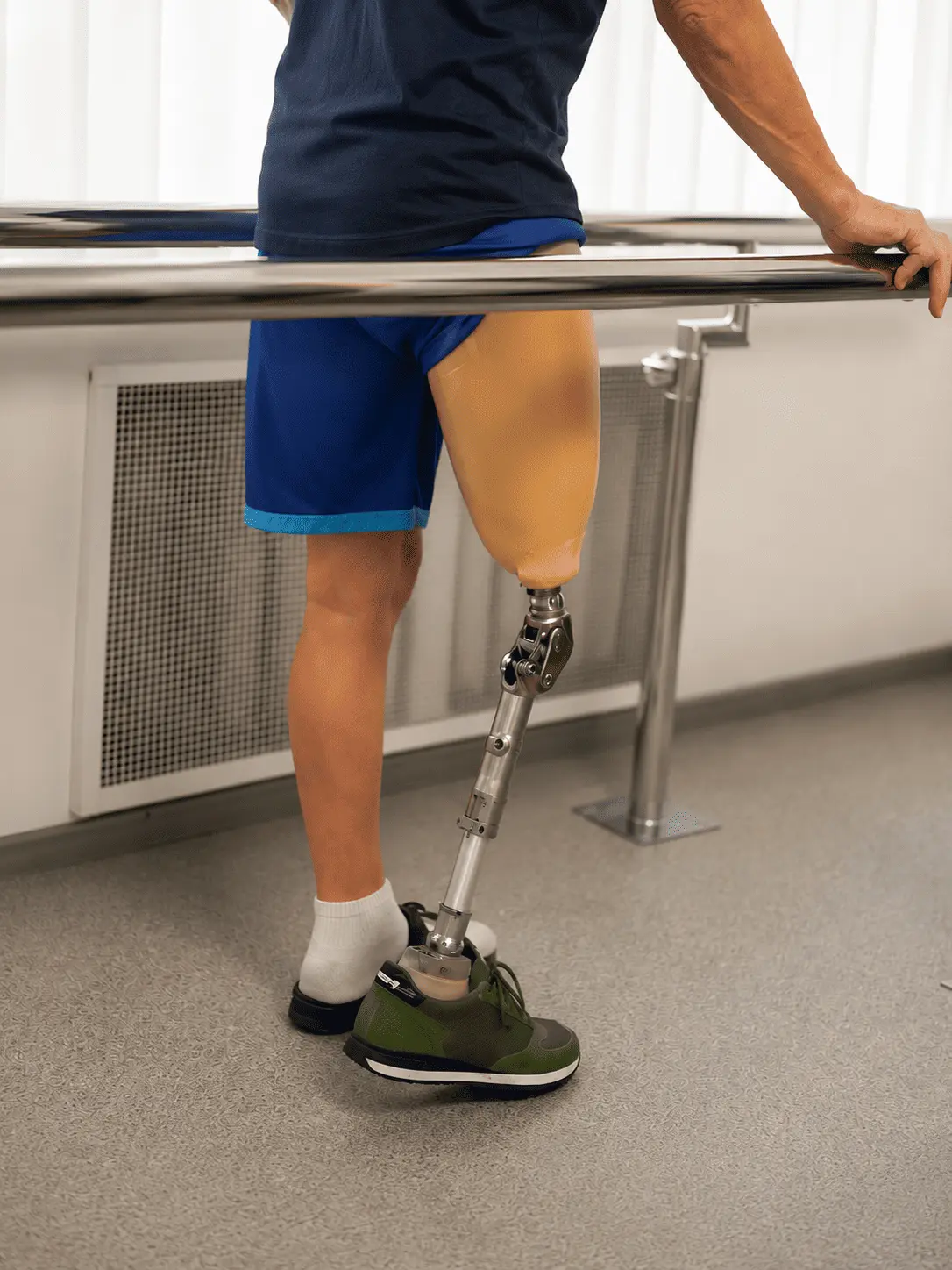
After manufacturing, specialists adjust the height of the prosthesis and the position of the foot, align the axis of the limb, check load distribution and correct the patient’s gait. It is this precise adjustment that makes natural movement and high stability possible.
6
Rehabilitation is a mandatory part of successful prosthetic fitting
Receiving the prosthesis is only the beginning of recovery. To use a below-knee prosthesis confidently, a course of rehabilitation is necessary.
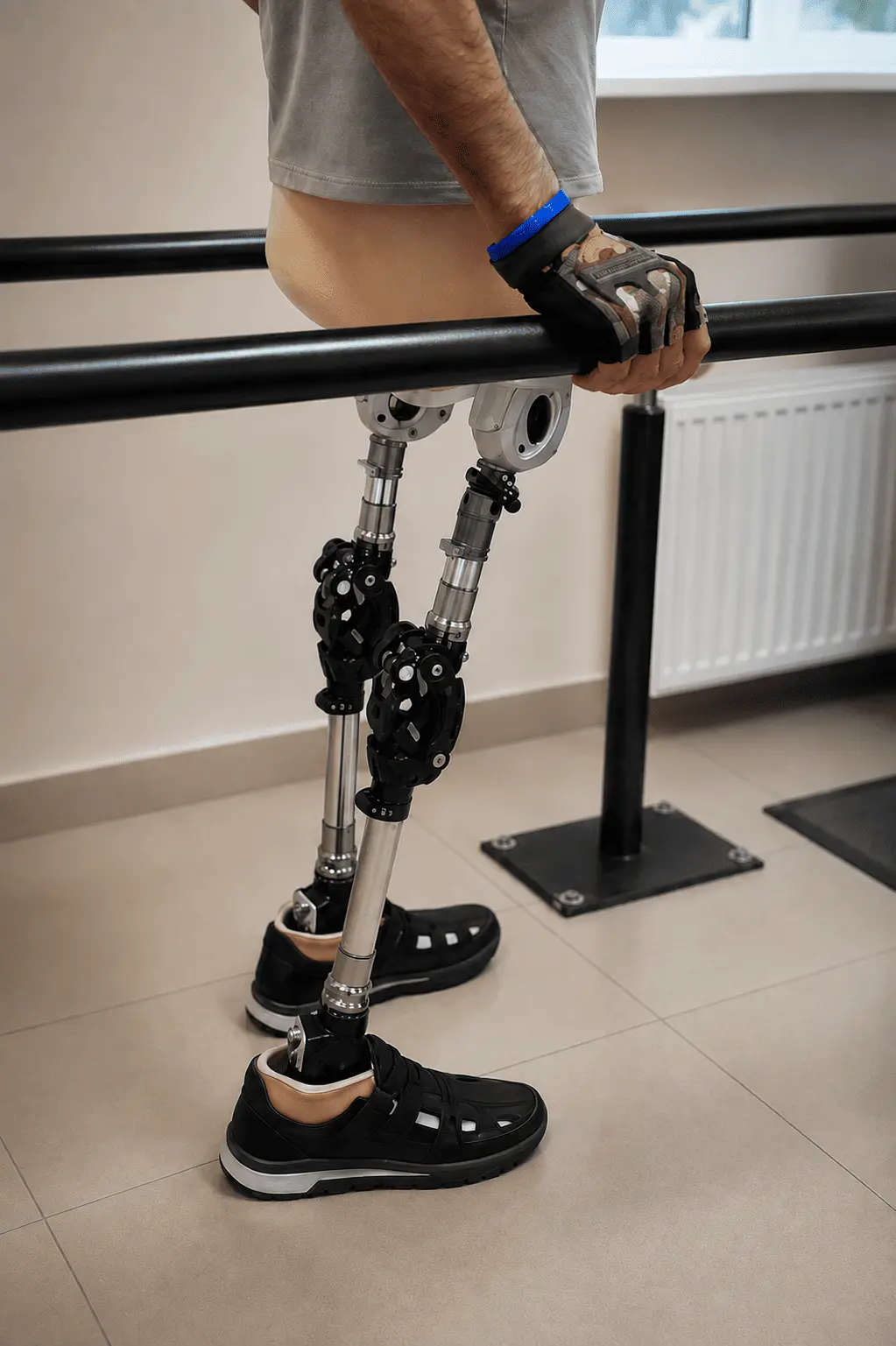
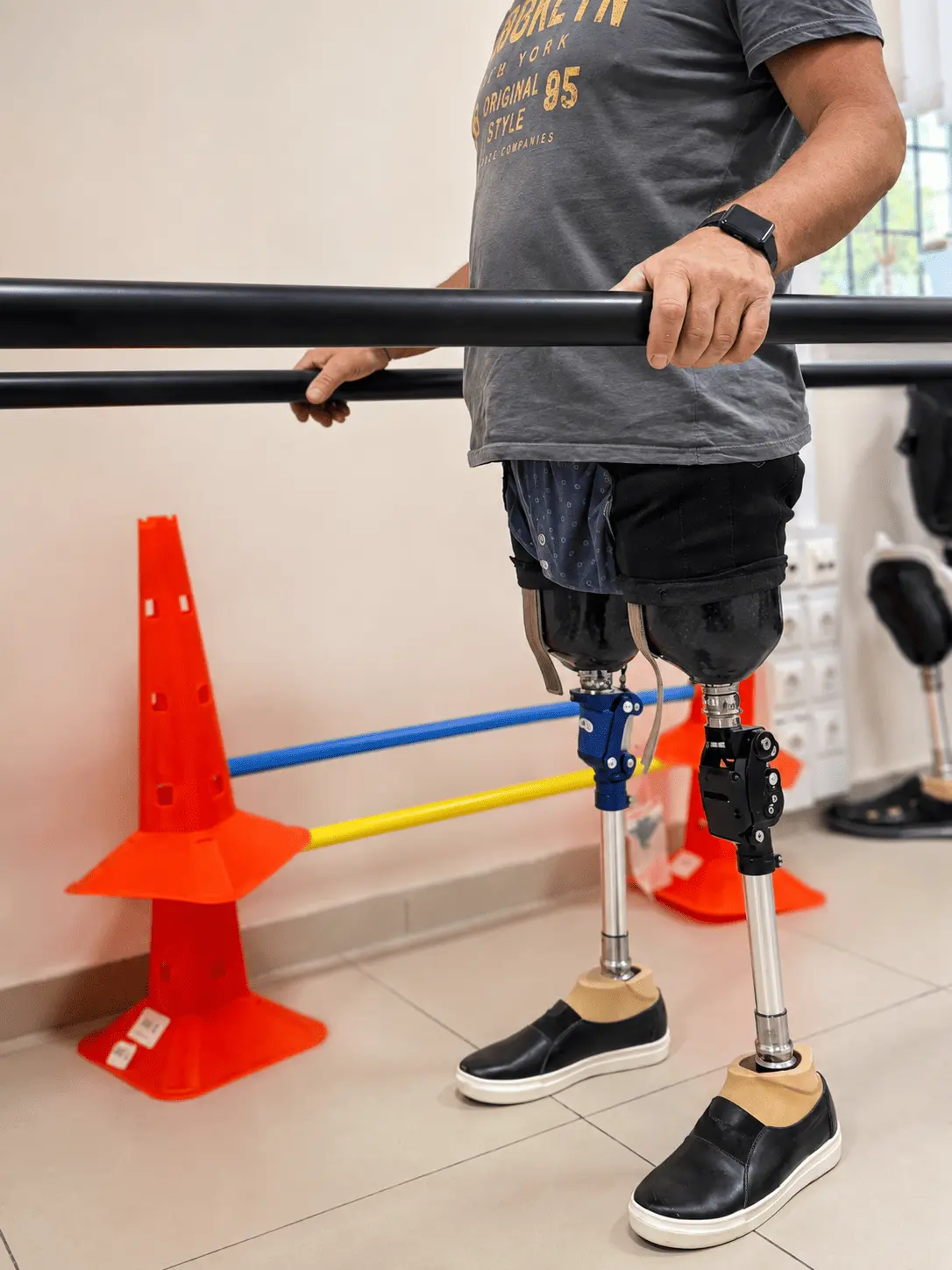
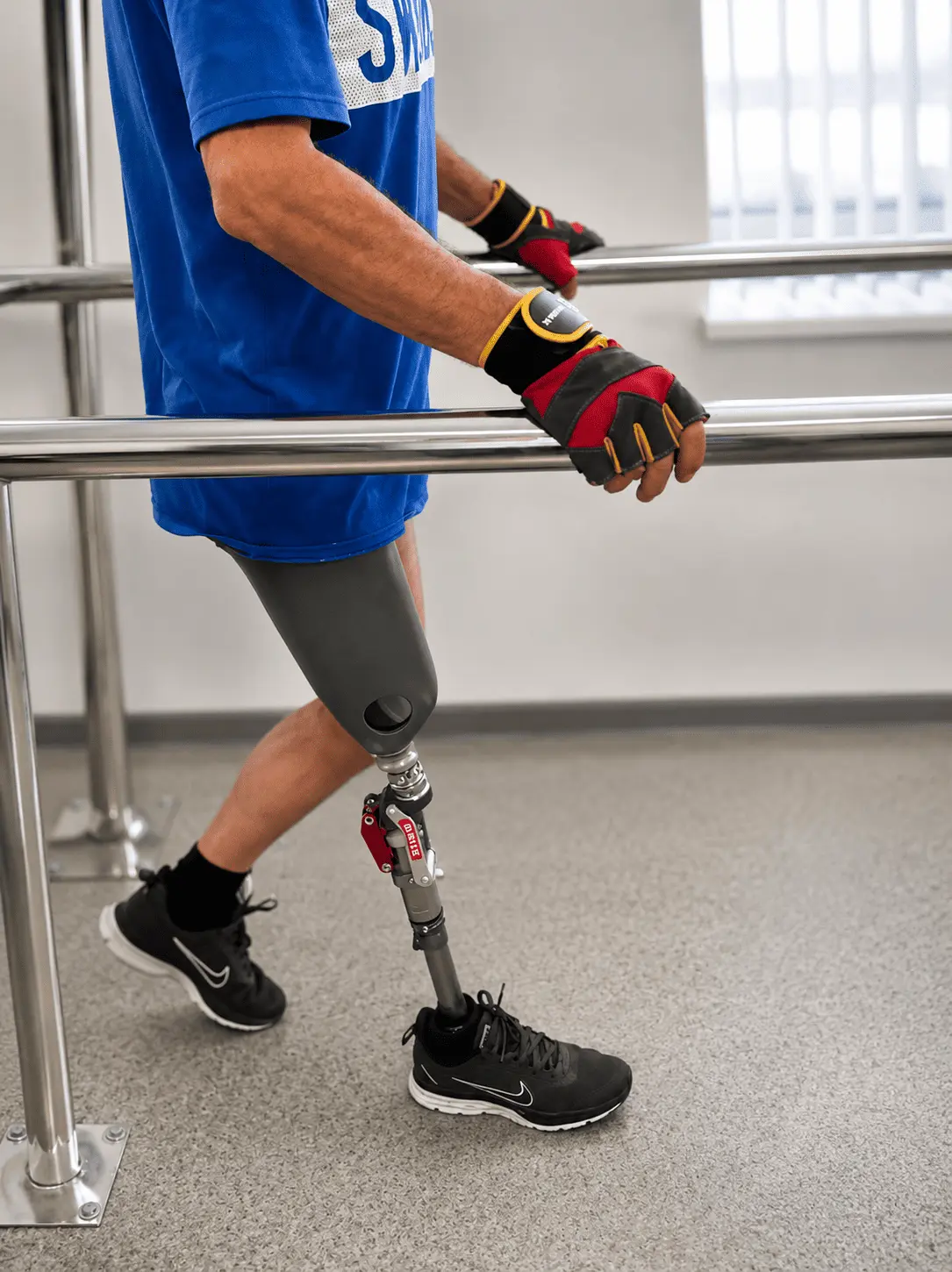
During the sessions the patient learns to transfer body weight correctly, maintain balance, walk safely on different surfaces, climb stairs and gradually return to their usual activity.
7
In the first months the residual limb may change shape
After amputation, the volume of the residual limb gradually decreases, so in the first months after receiving the prosthesis additional adjustment or modification of the prosthetic socket may be required.
This is a natural process, so it is important to visit the prosthetic technician regularly and not to postpone scheduled check-ups.
8
A prosthesis should not cause pain
A modern below-knee leg prosthesis should provide comfortable and safe walking. Slight discomfort during the adaptation period is possible, but constant pain, strong pressure or chafing are not normal.
If such sensations appear, you should contact the center’s specialists for an examination and adjustment of the device.
9
Modern prostheses allow an active life
After completing rehabilitation, most patients return to work, travel, sports and other familiar activities.
Modern prosthetic technologies make it possible to walk confidently on different surfaces, climb stairs, drive a car, swim, do fitness and take part in other physical activities. A properly selected below-knee prosthesis helps restore independence and freedom of movement and significantly improves quality of life.