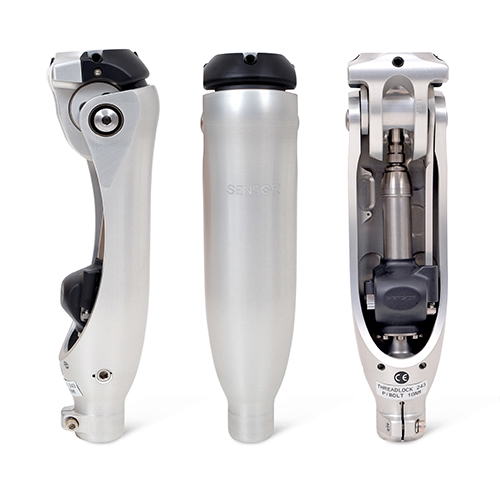
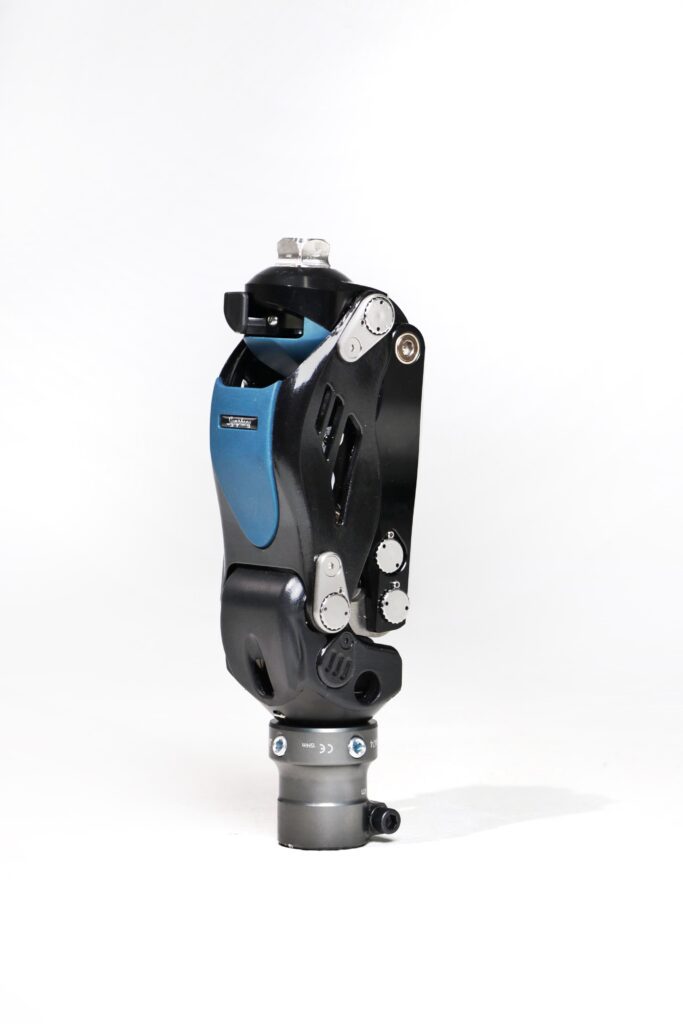
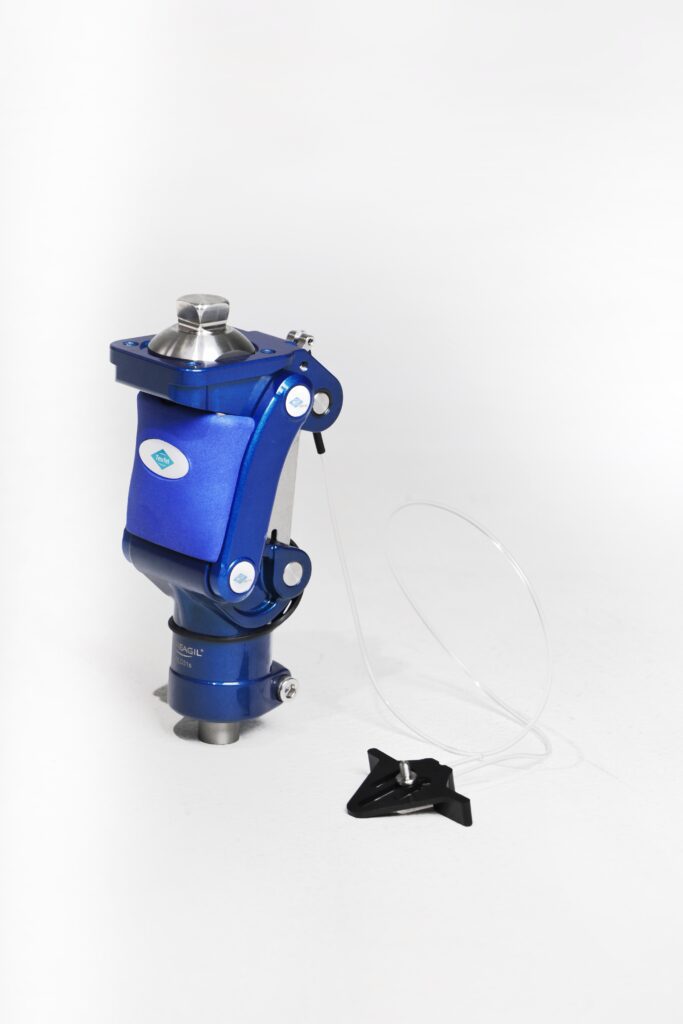
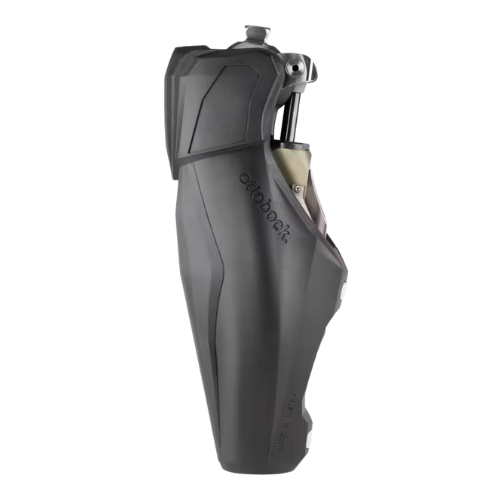
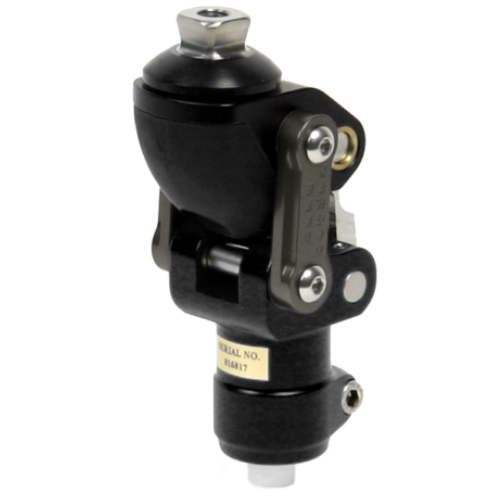
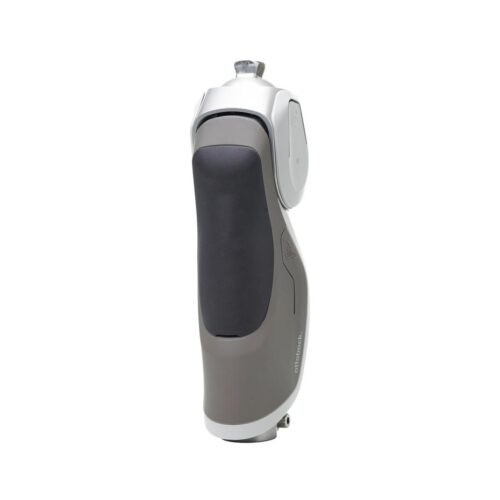
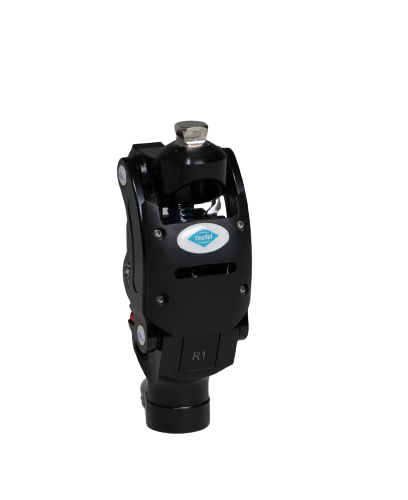
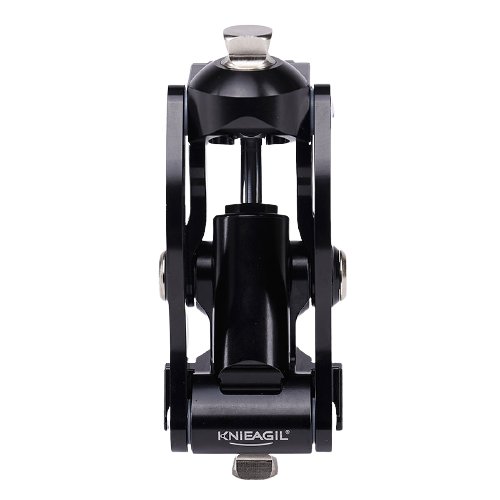
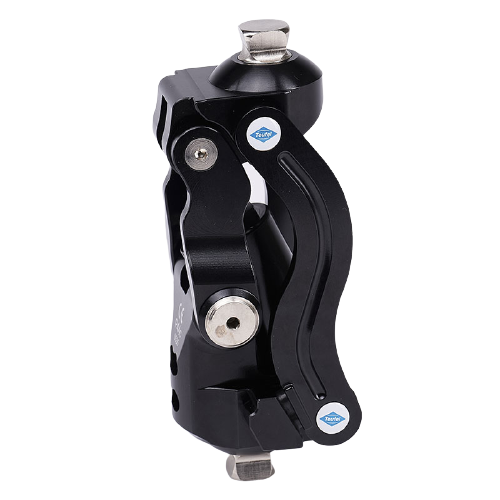
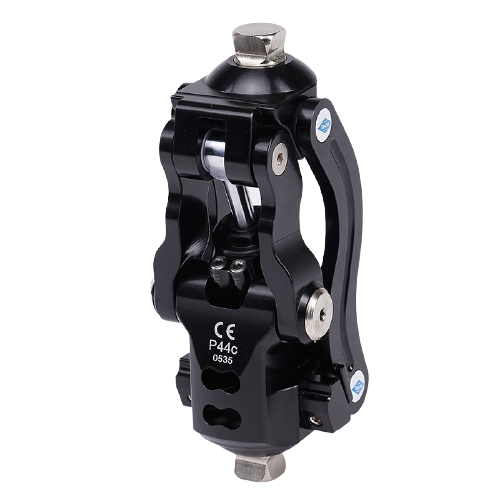
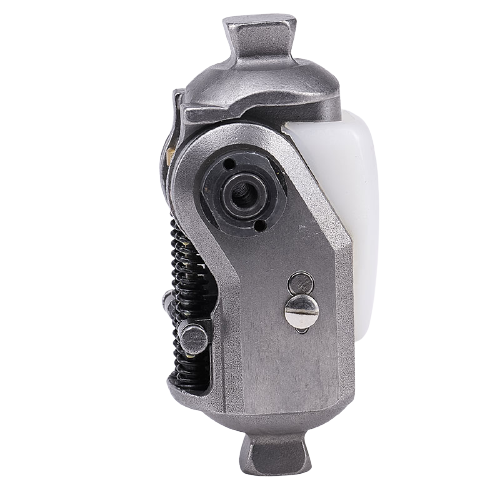
The function of knee joints is of particular importance in prosthetics. In the support phase, the priority is to ensure that the knee joint does not buckle under pressure on the heel. In the transfer phase, the movement of the prosthetic tibia must be controlled.
The selection of a suitable mechanically or electronically controlled knee joint depends on various factors, such as the level of amputation, stump length, patient’s activity level, weight, and environmental conditions.
Older patients with a reduced level of activity require high strut resistance.
Ease of handling and comfort of use are more important than dynamic characteristics.
In the manufacture of lower limb prostheses, we use proven, reliable components from German and Japanese manufacturers Ottobock, Streifeneder, Teufel, Nabtesco