Prosthetic legs for swimming

Reliable prostheses on German components

Free modern prosthetic legs for swimming from the ZDOROVIA Center

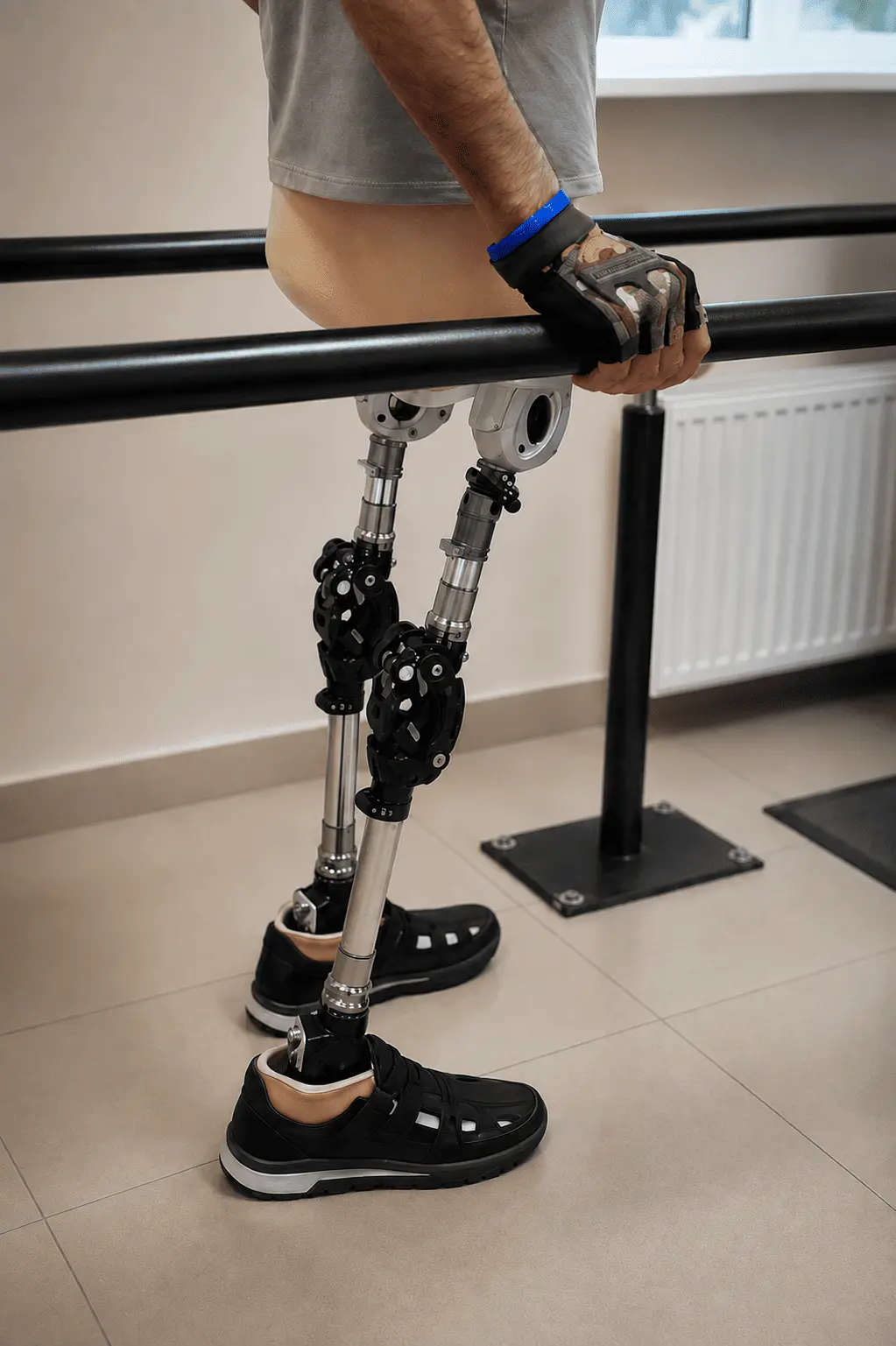
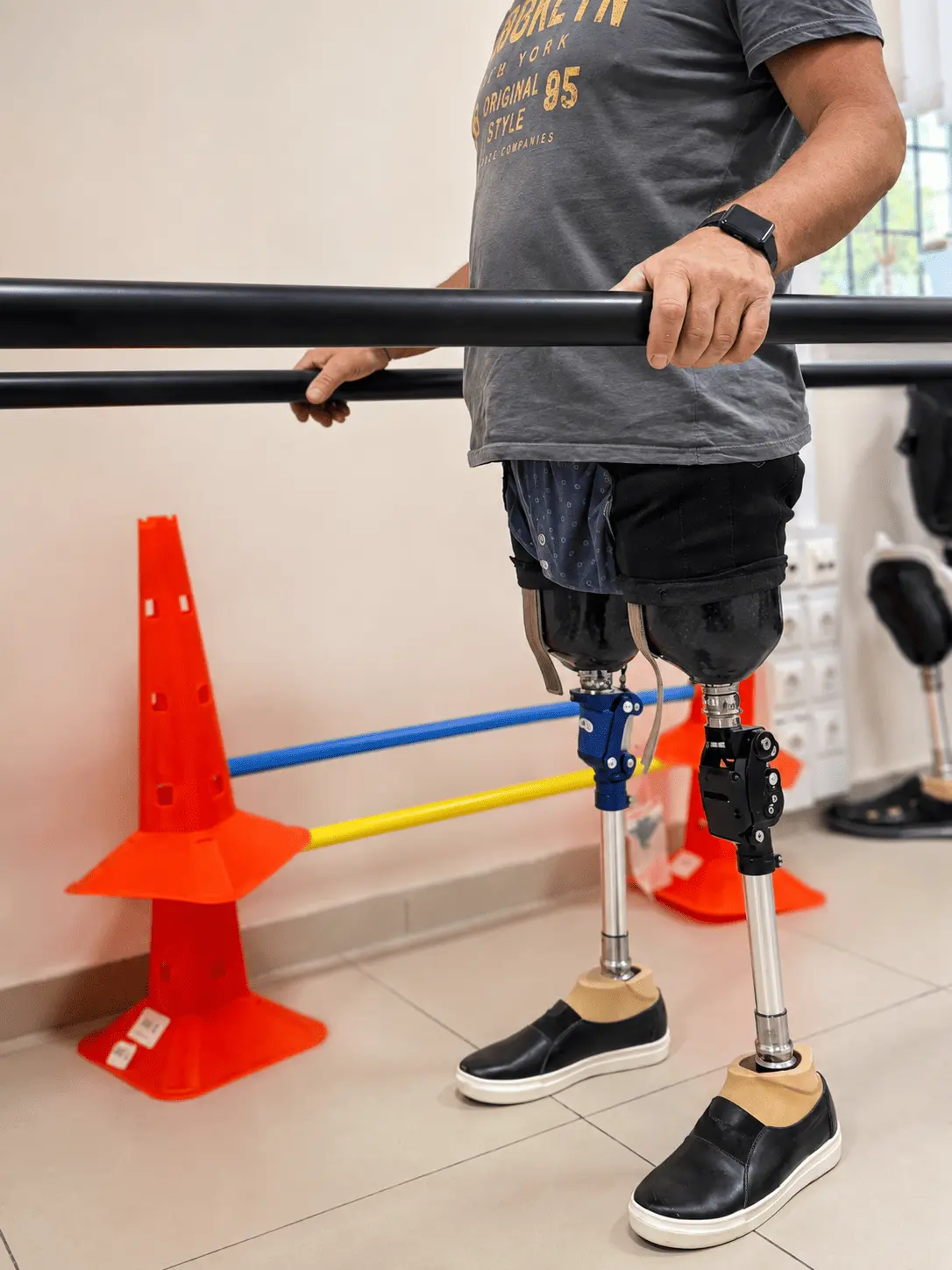
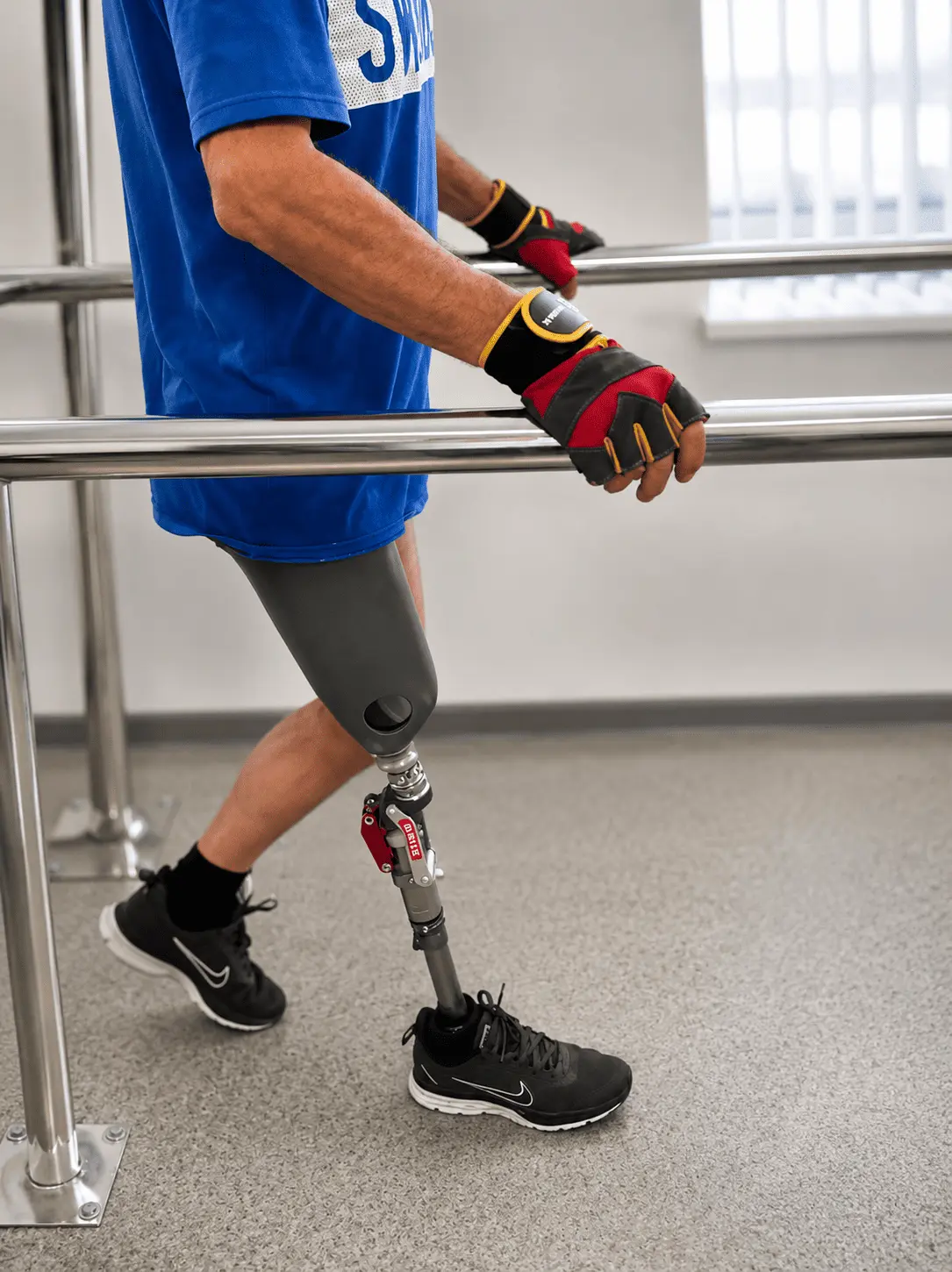
Prosthetics give people who have experienced amputation of the lower leg or even a leg above the knee the opportunity to return to normal life with minimal restrictions. However, many modern prostheses are not designed for use in water, and this is completely excluded for bionic prostheses. But the joy of swimming and water sports is returned to patients by special prostheses for swimming. They have a number of features that allow not only to protect the mechanisms from moisture, but also to provide comfort in the water and when entering and exiting the water – for example, in the pool.

FREE prothetics

According to the Procedure for Provision of Technical Rehabilitation Devices, approved by the Cabinet of Ministers of Ukraine on April 5, 2012, No. 321, any citizen of Ukraine is entitled to free provision of prosthetic and orthopedic devices (prosthetics and orthotics) if he or she has a referral for provision of technical and other rehabilitation devices.
Detailed instructions can be found on our website or you can clarify the details by phone

Features of prostheses for swimming

  • First of all, such products must be provided with reliable protection against moisture. Therefore, polymeric materials are preferred over metal in their manufacture. Nodes and connections are isolated from water as much as possible. Protection is also provided against aggressive substances dissolved in water – in swimming pools, for example, chlorine, in sea water, salt.
  • The next feature is that prosthetic legs for swimming should be equipped with a special sole surface that will provide stability and slip protection even on wet tiles. This is important for swimming pools, showers, and pebble beaches.
  • And, of course, they should look aesthetically pleasing, as close as possible to a natural limb, since you can’t disguise them under clothes.
  • The fourth important factor is resistance in the water environment. In order for the prosthesis to create as little resistance as possible in water, which is 700 times denser than air, it is necessary to ensure an optimal hydrodynamic shape.
  • It is also important that the user is able to effectively control the prosthesis in the aquatic environment. For this purpose, various mechanisms are used to ensure smooth movements.
  • The prosthesis should have a weight similar to a human limb. If it is a hollow polymer part with air inside, it will not allow you to swim normally – at best, take a shower. Therefore, prostheses for bathing are made with the possibility of filling with water, which increases its weight. Water easily flows out through the same holes on land.
  • And of course, the care of such a prosthesis should be very simple. If a person swims in a natural body of water, particles of silt, algae, and sand can get inside. All this should be easily removed from the prosthesis.

Design characteristics of prostheses

Structurally, all leg products are divided into femoral and tibial. The former are designed for amputations above the knee, the latter – below.

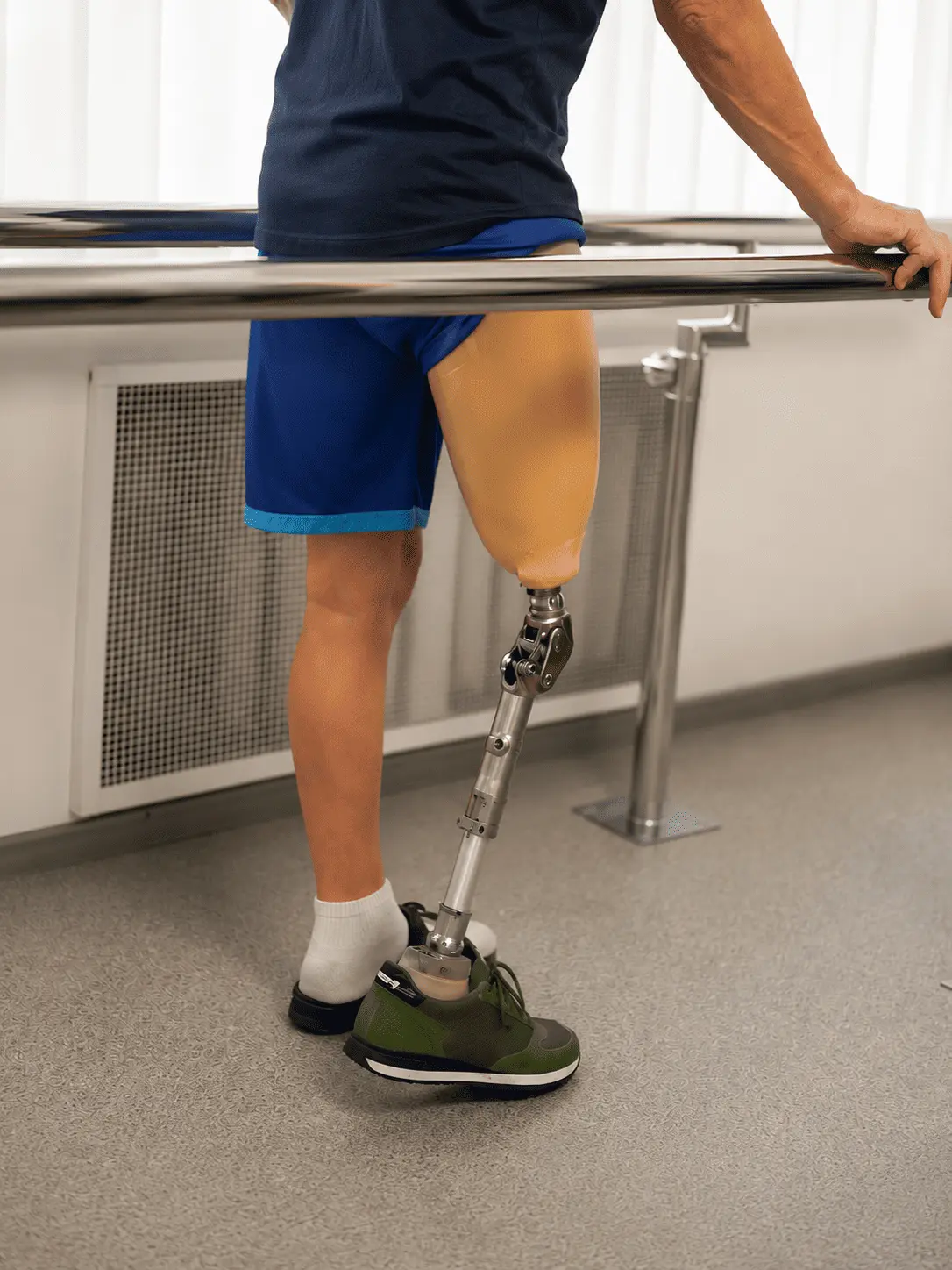
Hip prostheses for swimming are structurally more complicated for two reasons: first, the design needs to provide for a knee joint that carries high loads and has a rather complex anatomy. Secondly, its attachment is more complicated than that of a lower leg prosthesis.The situation is even more complicated if you need a hip prosthesis for swimming, because the knee joint must be reliably protected from water.

Otto Bock solves this issue with an innovative integrated locking mechanism used in the Aqua knee joints. The mechanism allows the joint to be manually locked for use in water or humid environments, providing greater support reliability and complete protection against moisture. Once the joint is unlocked, the built-in hydraulic system allows for adjustment of its movement so that the prosthesis can be used for walking.

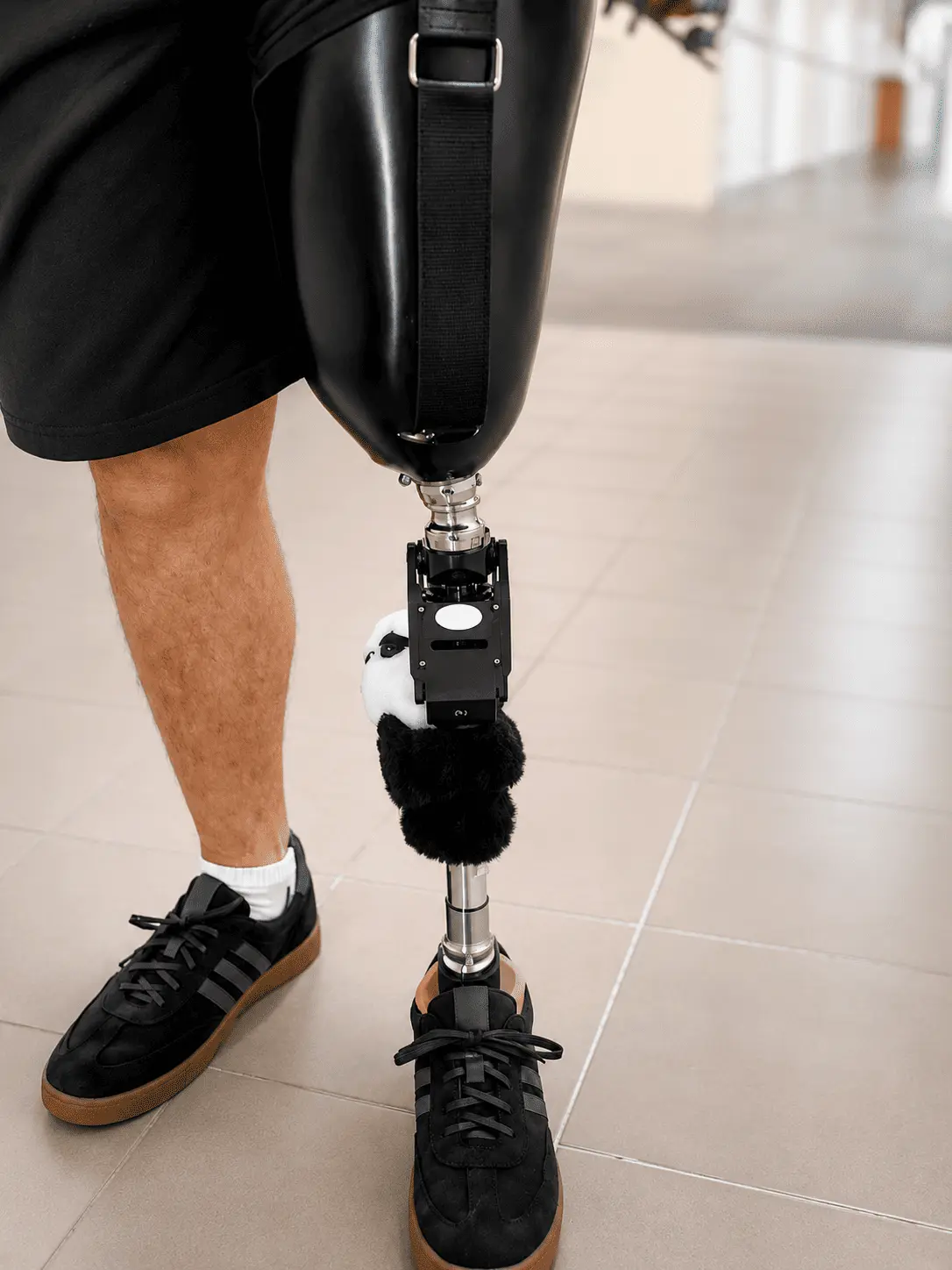
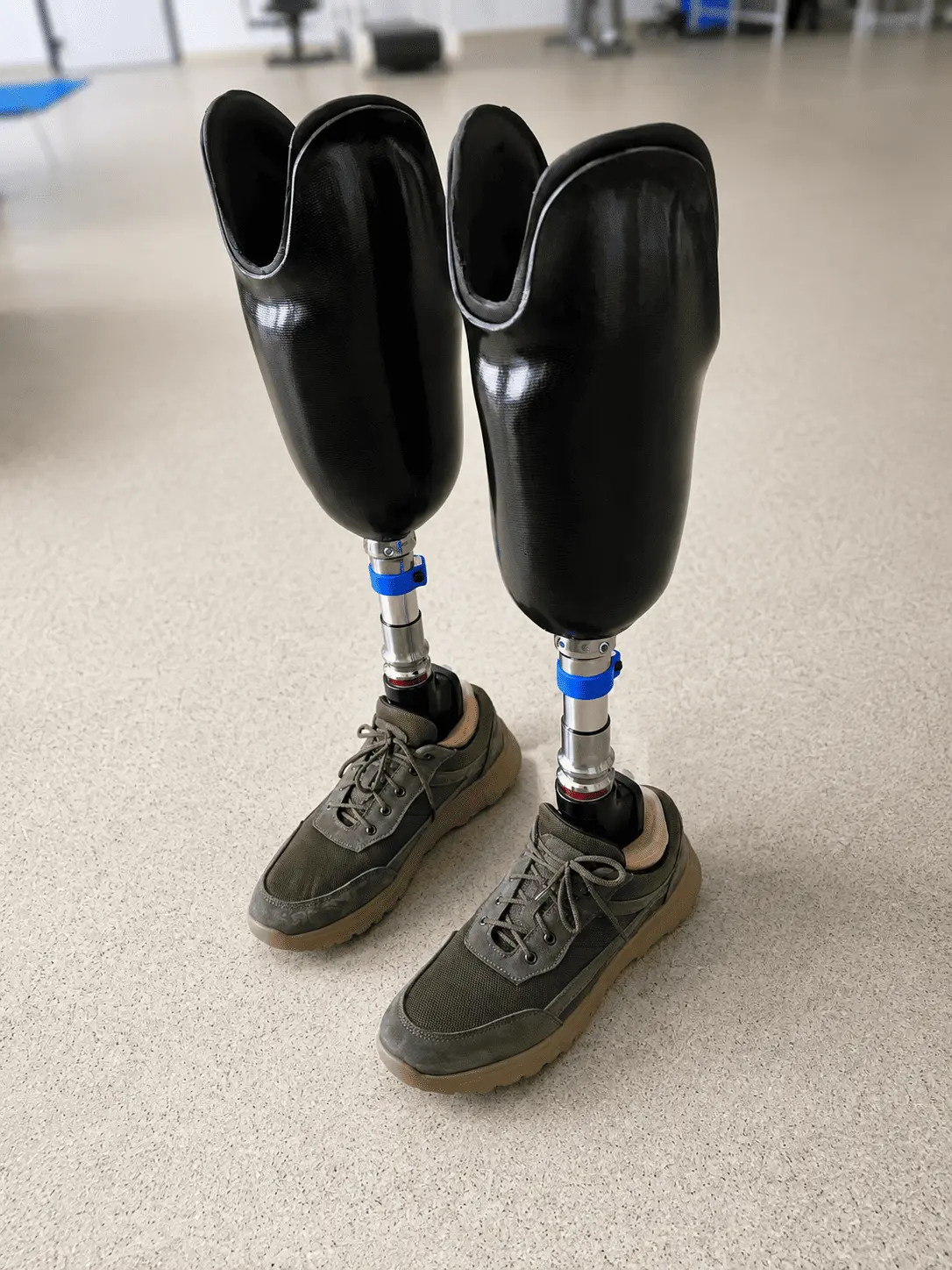
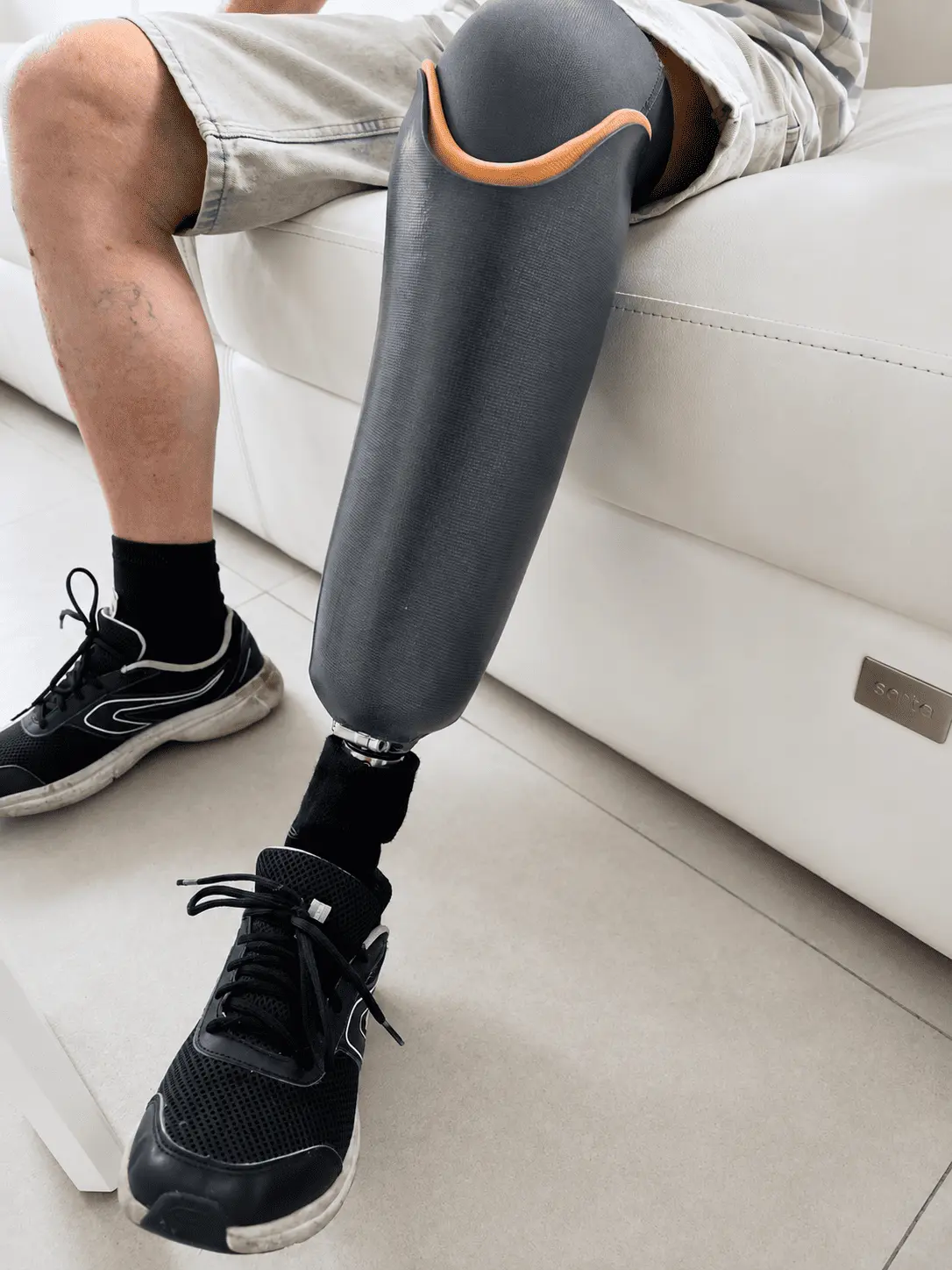
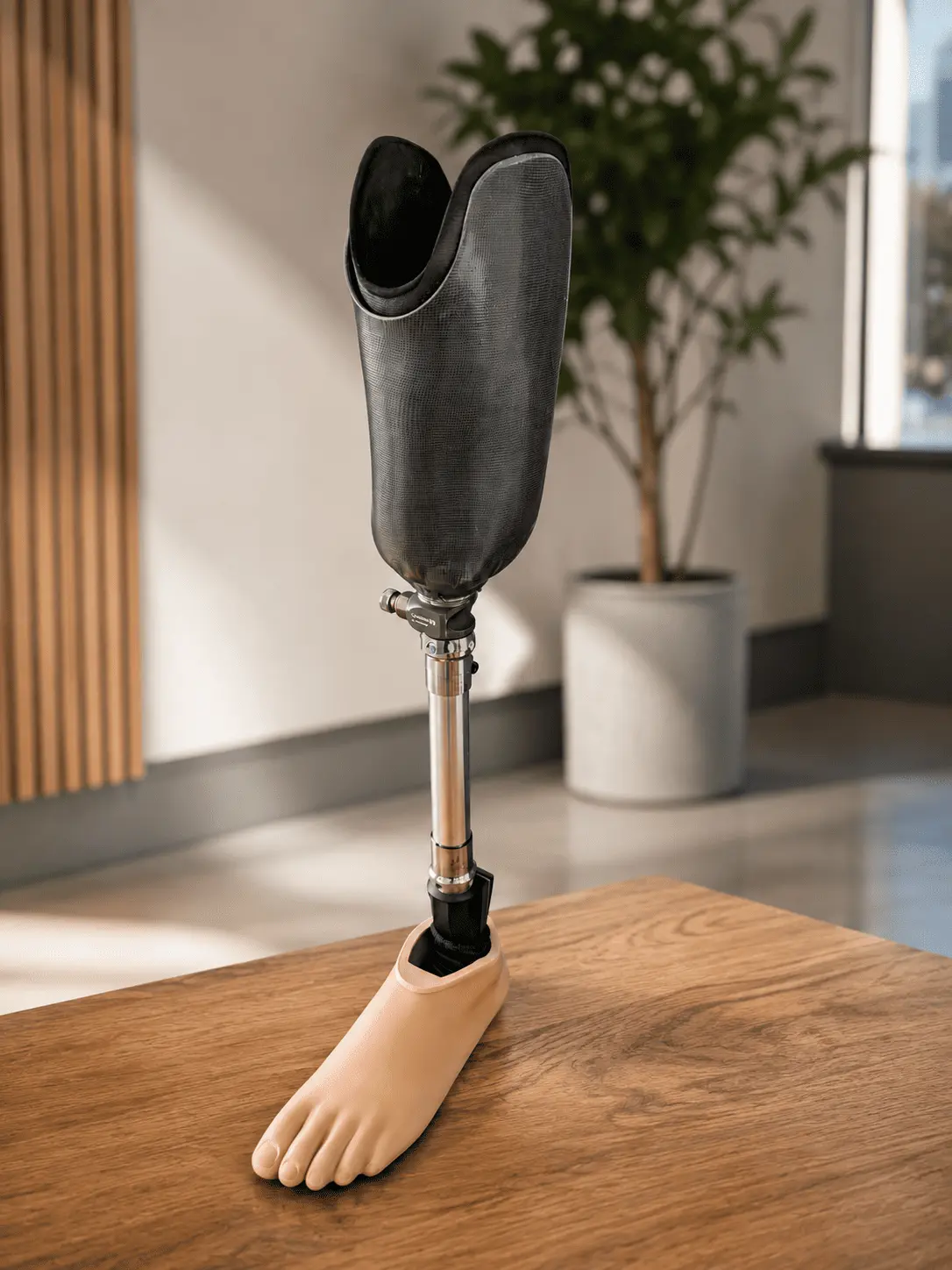
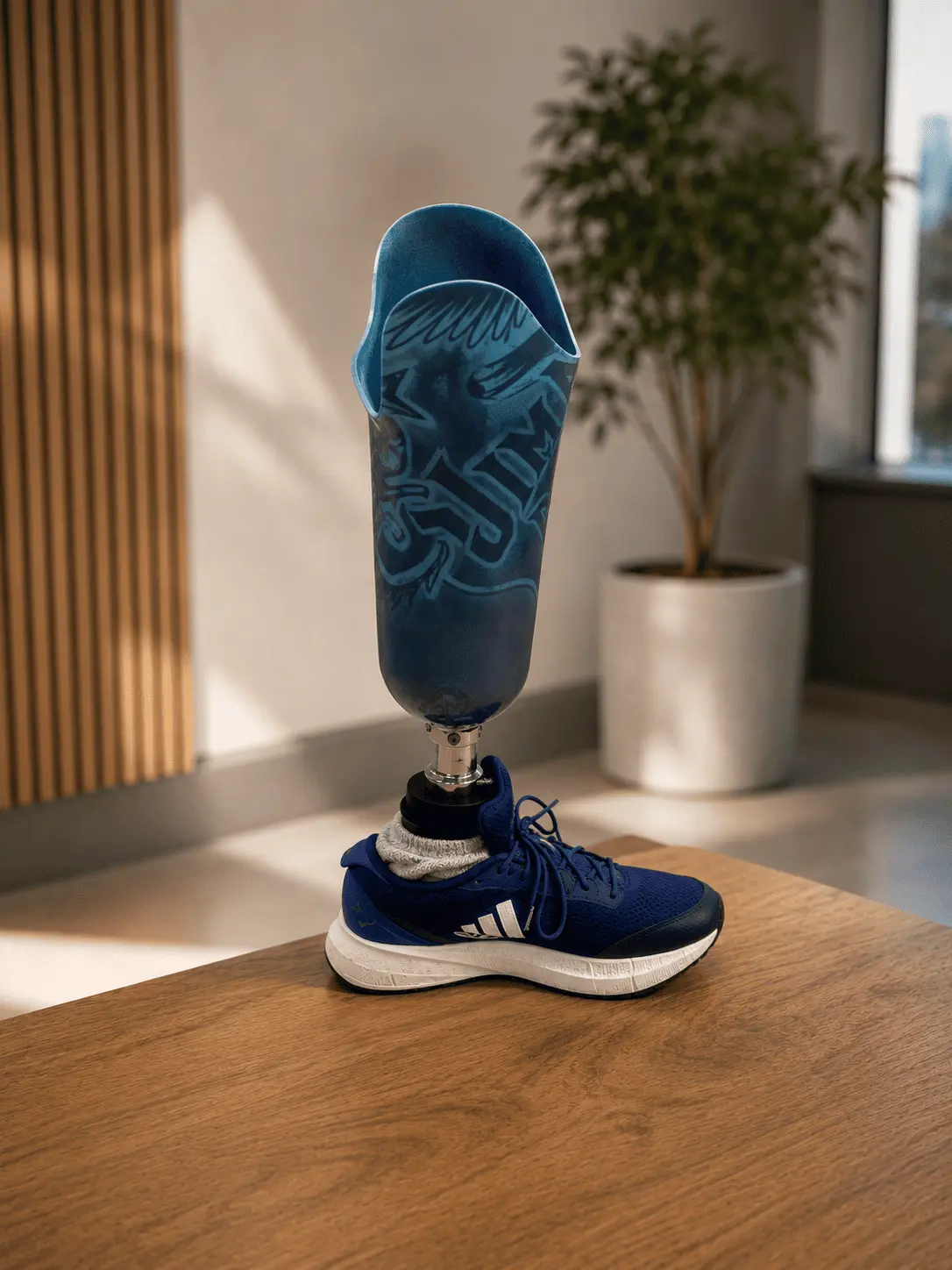
Prosthetic shin for swimming is simpler, as there is no need to build in a knee joint, and the ankle can be hingeless. The prosthesis is made of laminated plastic, and the receiving sleeve is lined with foam or silicone, which exactly follows the anatomical structure of the stump for a perfect fit. The prosthesis has lateral kingston holes that allow water to flow freely in and out of them. On the one hand, the cosmetic shell provides an aesthetic appearance, and on the other hand, it protects the prosthesis material from damage. It can be easily replaced and is made in the form of a corrugated profile on the sole to provide an anti-slip effect.

Manufacturers are trying to produce bathing prostheses that are versatile and can be used in everyday practice. However, some types of prostheses are undesirable for everyday use due to increased wear and tear. They are intended for professional swimmers. The universal option is suitable for most users.

After selection, assembly, and fitting, the user goes through a process of rehabilitation and adaptation, relearning all the swimming skills. But with proper training, people can easily return to their previous level of activity.

Free shin prostheses

Modular shin prostheses

Germany
photo_2023-09-19_11-14-01-removebg-preview

Modular type prosthesis of the tibia

Germany
photo_2023-10-03_13-11-33-removebg-preview

Modular shin prothesis

Germany
IMG_5761-removebg-preview

Our clients:

Specifics of cooperation with our center

We offer prosthetics free of charge to our patients – this service is provided in accordance with the Resolution of the Cabinet of Ministers of Ukraine No. 321 of 2012. Detailed instructions on how to use your legal right to free prosthetics are available on our website. The main thing is that if you decide to order a prosthetic leg in our center, be sure to indicate this when receiving a referral from your social protection department.

The next stage is a consultation with a prosthetics technician in our center or at home, choosing the best prosthesis option for you. The prosthetics technician examines all the anatomical features of the stump, and the patient’s lifestyle, age, weight and level of physical activity are also taken into account when choosing.

Manufacturing of the prosthesis takes about 15 days, in complicated cases – up to 25 days when ordering particularly complex components. After the prosthesis is manufactured, we try on and fit it, and then a rehabilitation therapist teaches the patient how to use the prosthesis. The warranty period for all products of our center is 12 months.

More photos of our products