1
Prosthetics should not be postponed for too long
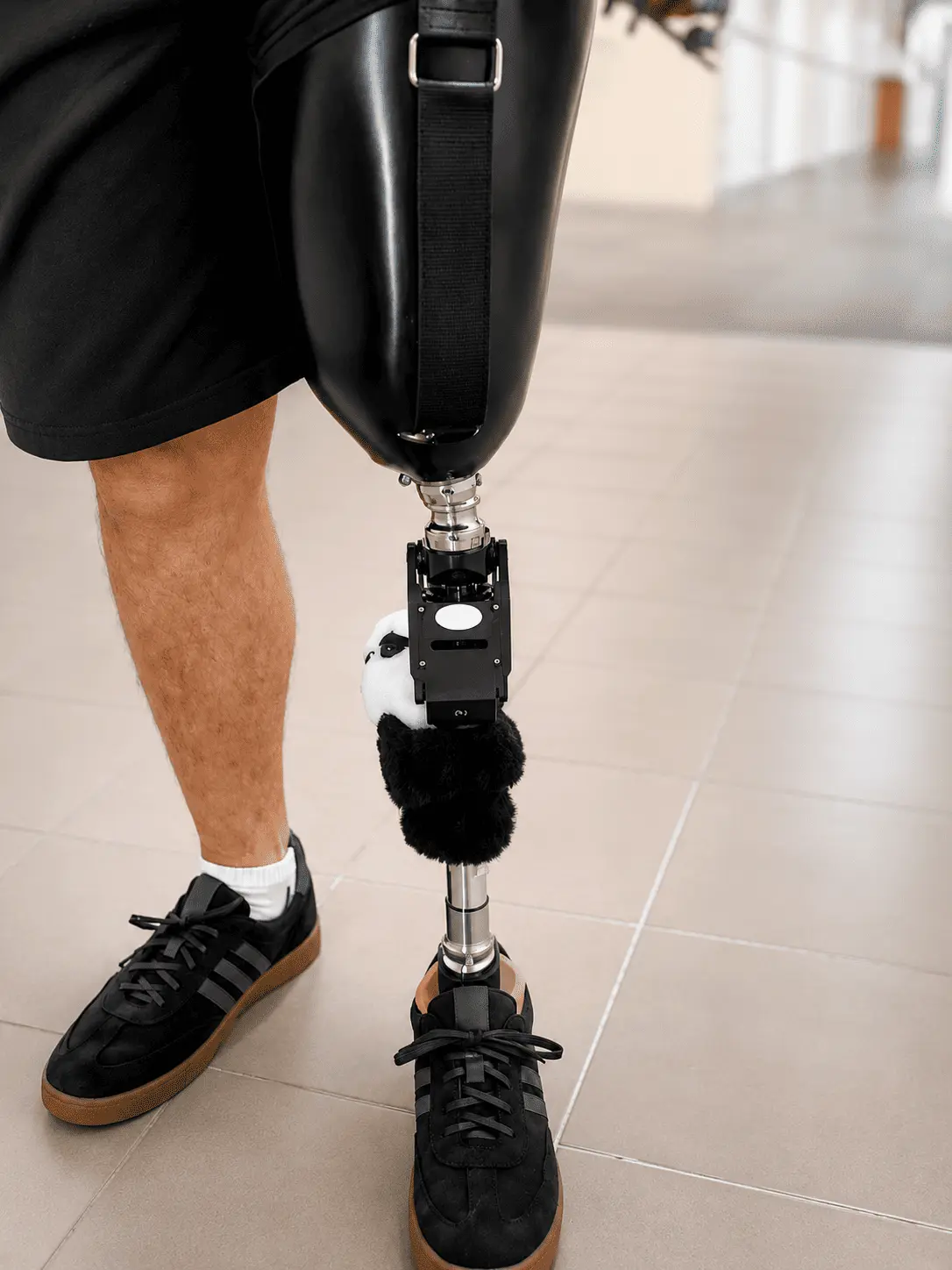
After amputation, muscles gradually lose strength and joints may become less mobile. If the start of prosthetics and rehabilitation is delayed for too long, the risk of contractures increases, physical condition deteriorates, and adapting to the prosthesis may take longer. Therefore, in the absence of medical contraindications, it is recommended to start preparing for prosthetics as early as possible.
2
Proper preparation of the residual limb affects the comfort of using the prosthesis
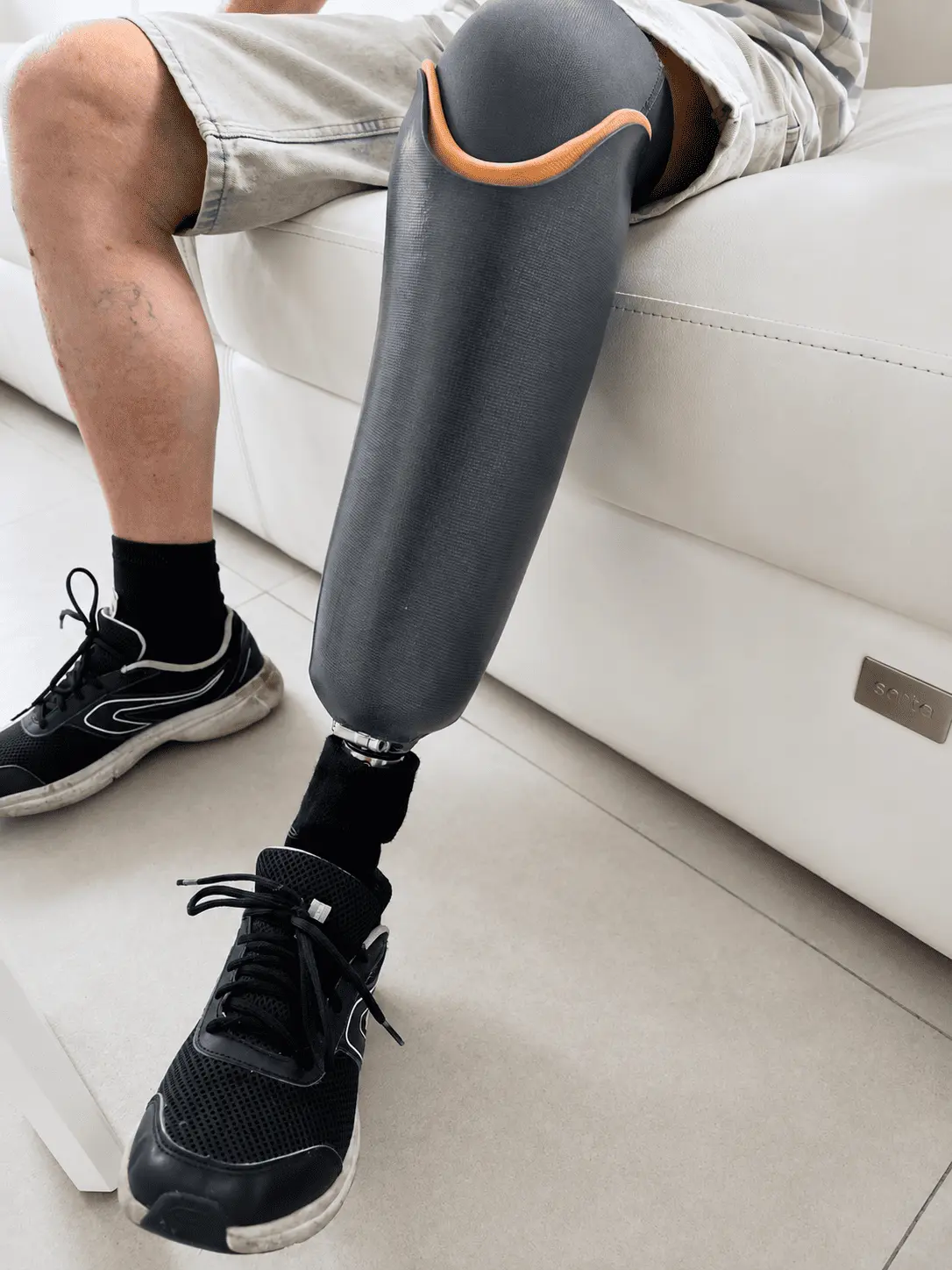
How comfortable and safe the prosthesis will be depends directly on the condition of the residual limb. It is important to follow the doctor’s recommendations on skin care, monitor the condition of the postoperative scar, maintain joint mobility and perform the exercises recommended by the rehabilitation specialist. A well-prepared residual limb makes it easier to produce an individual socket and speeds up adaptation to the prosthesis.
3
There is no universal femoral prosthesis
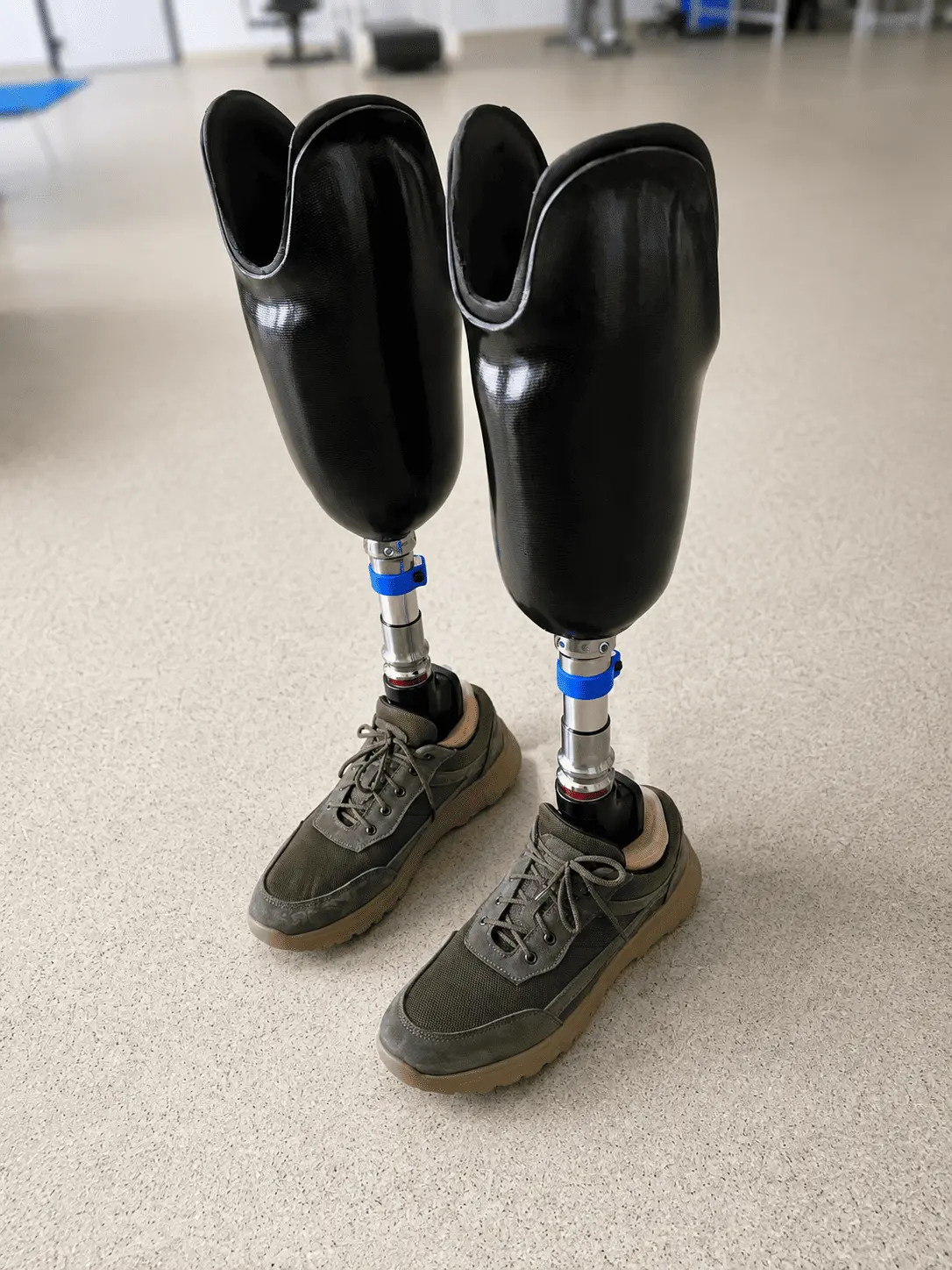
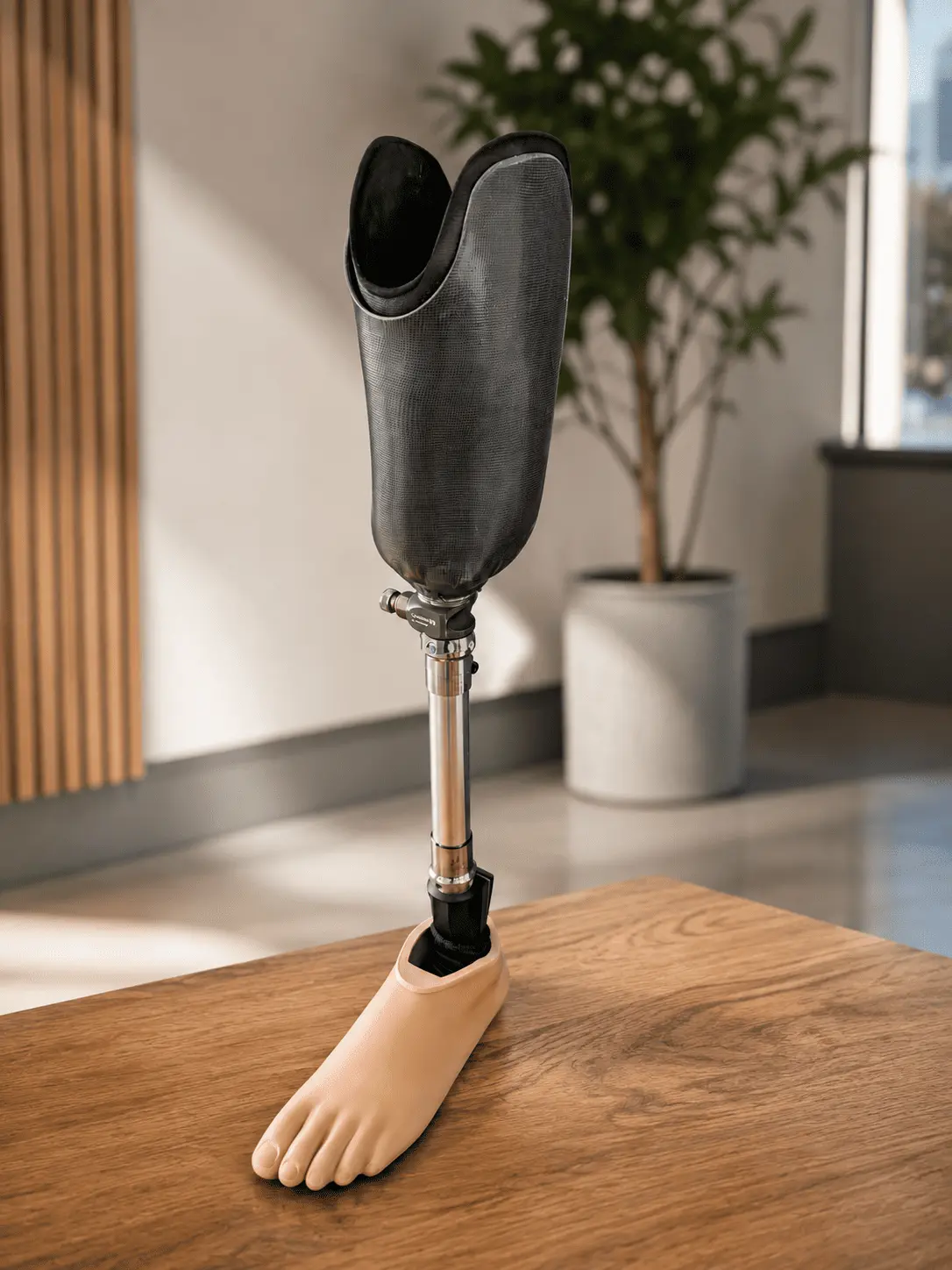
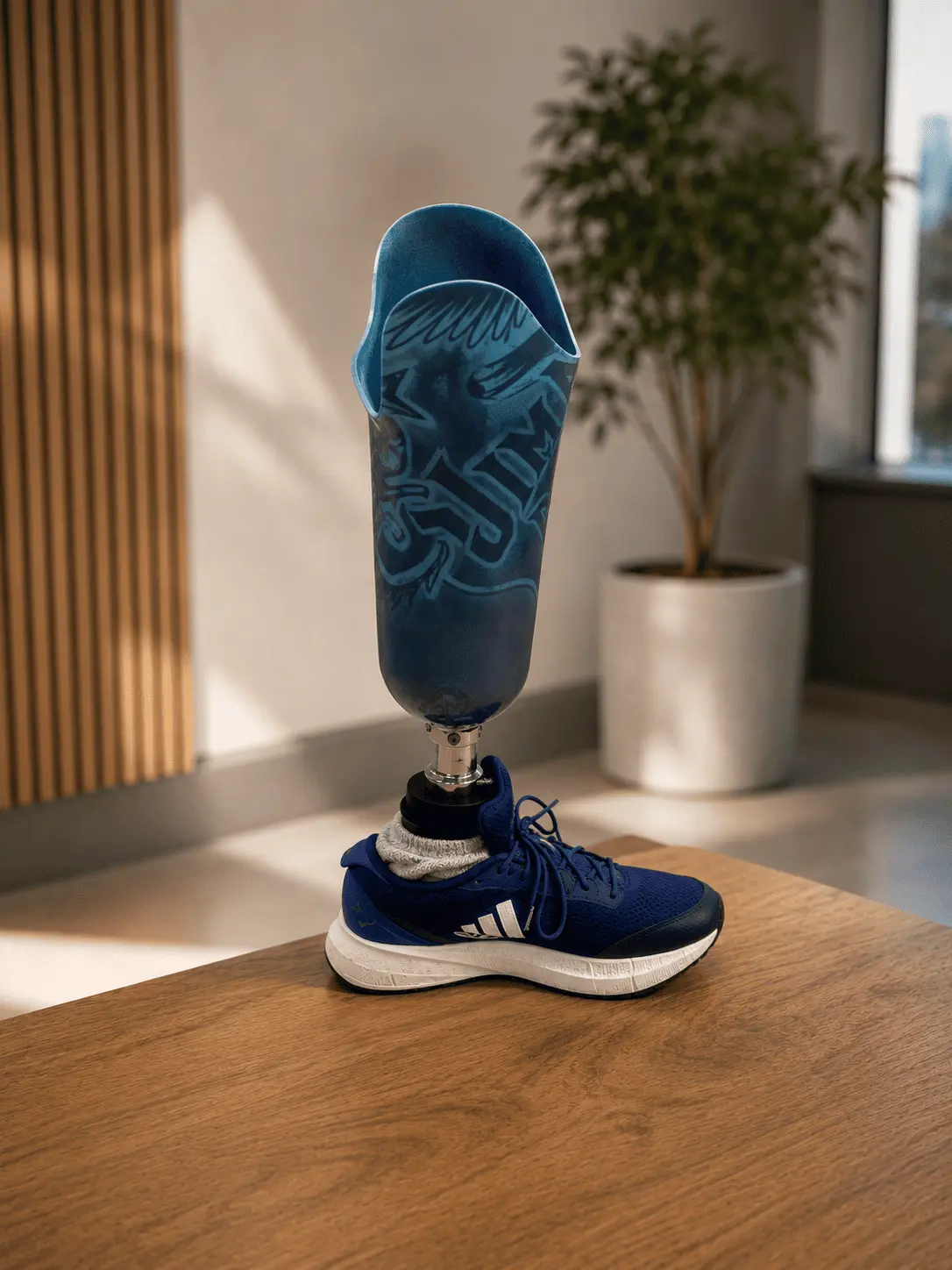
Even if two patients have the same level of amputation, the design of the prosthesis may differ significantly. Selection takes into account age, body weight, level of physical activity, occupation, lifestyle, the condition of the residual limb and rehabilitation goals. That is precisely why every femoral prosthesis is made individually.
4
A modern prosthesis requires professional adjustment
After the prosthesis is made, several stages of fitting and adjustment are carried out. Specialists set the height of the structure, the position of the foot, the operation of the knee module and the fit of the prosthetic socket. Only a properly adjusted prosthesis provides stability, safety and comfort while walking.
5
Rehabilitation is just as important a part of treatment as the prosthesis itself
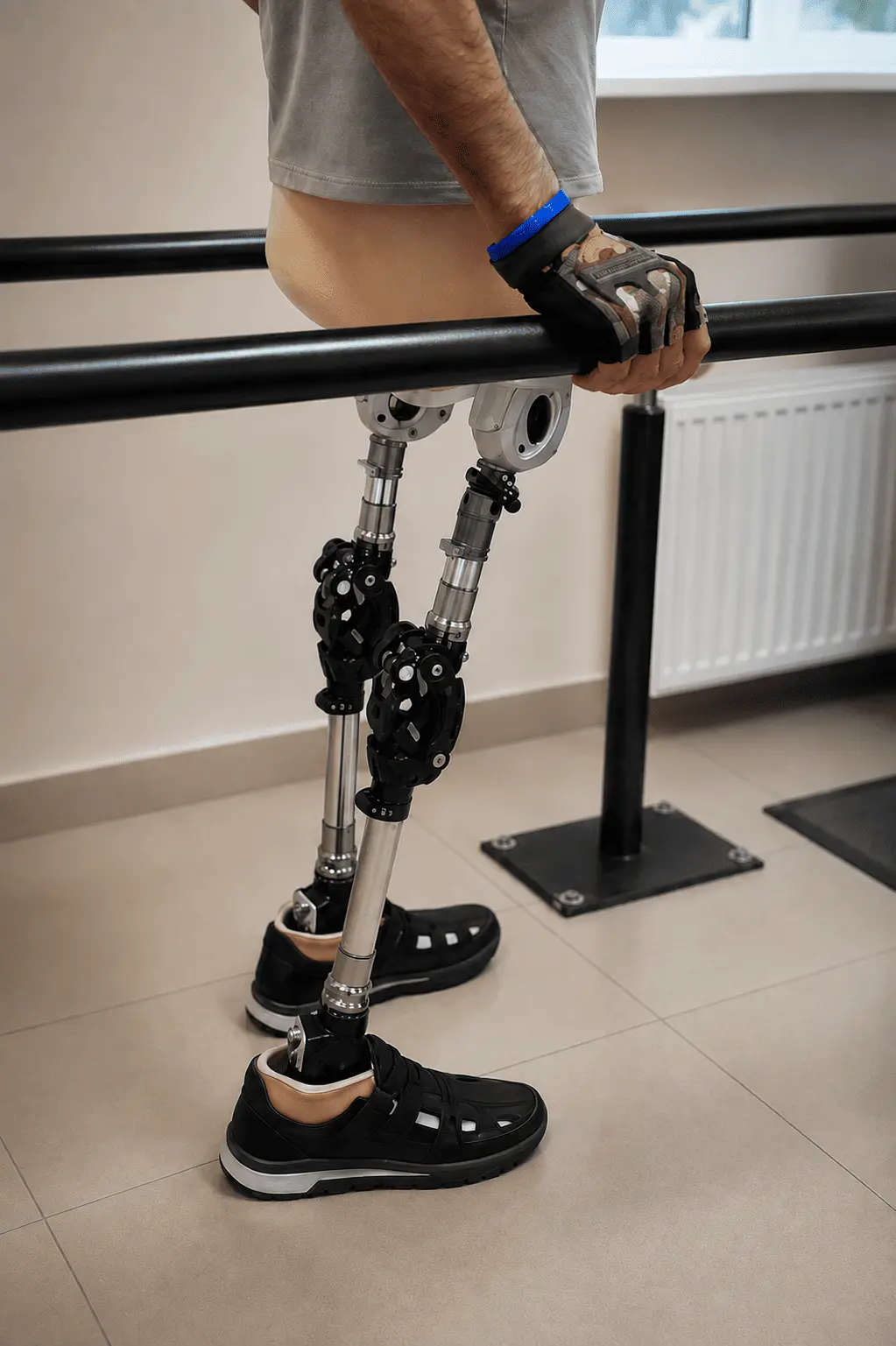
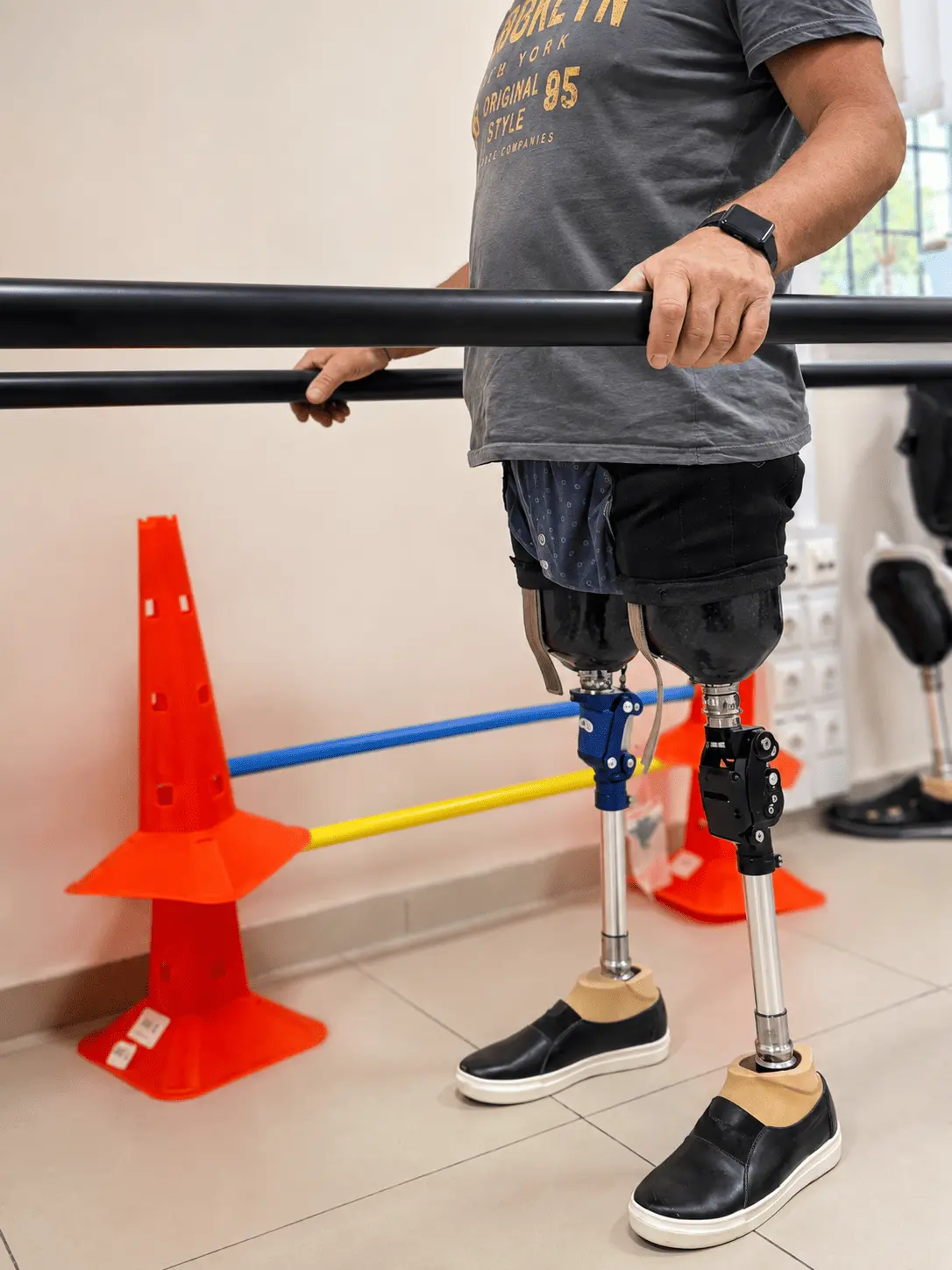
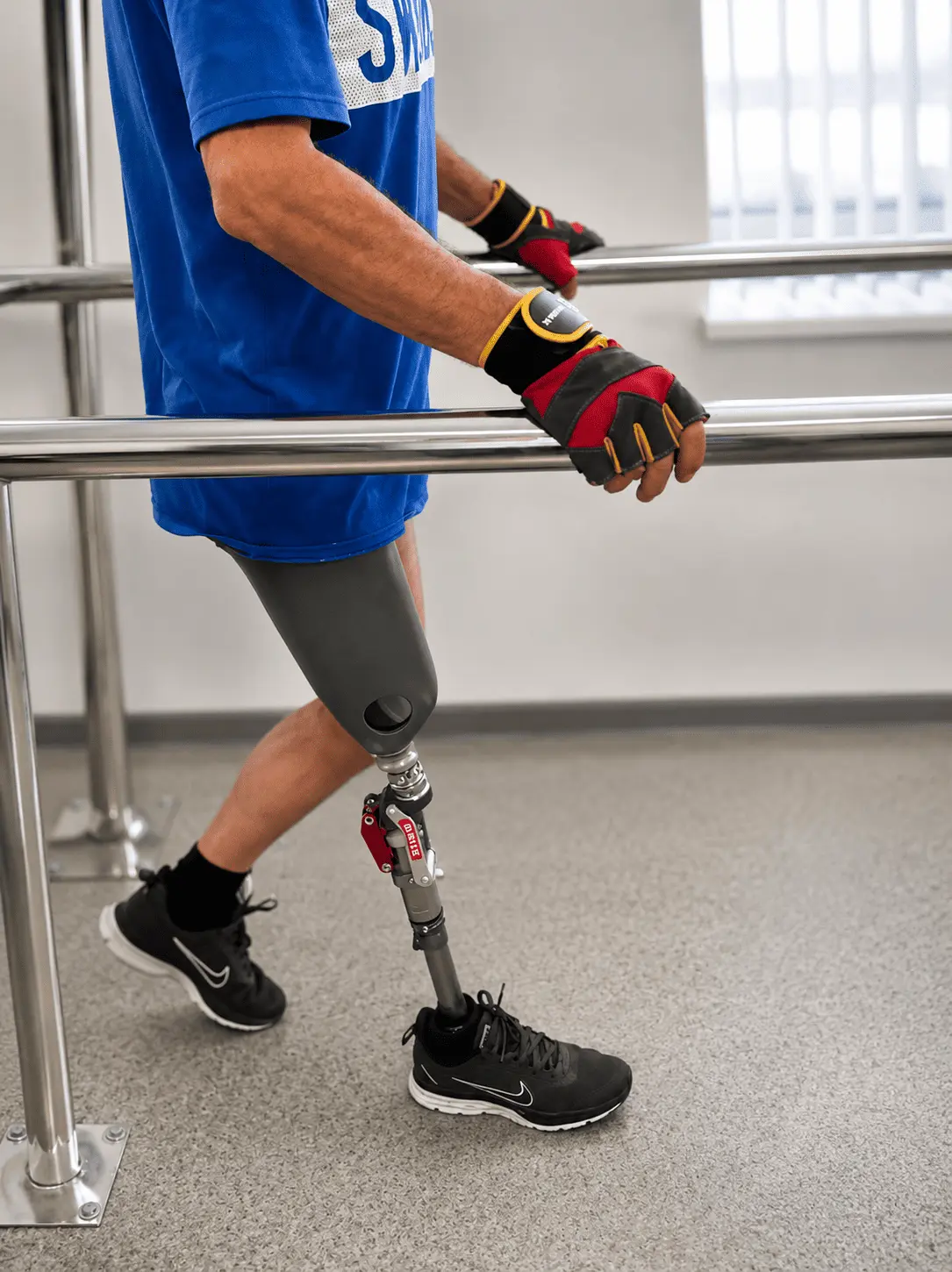
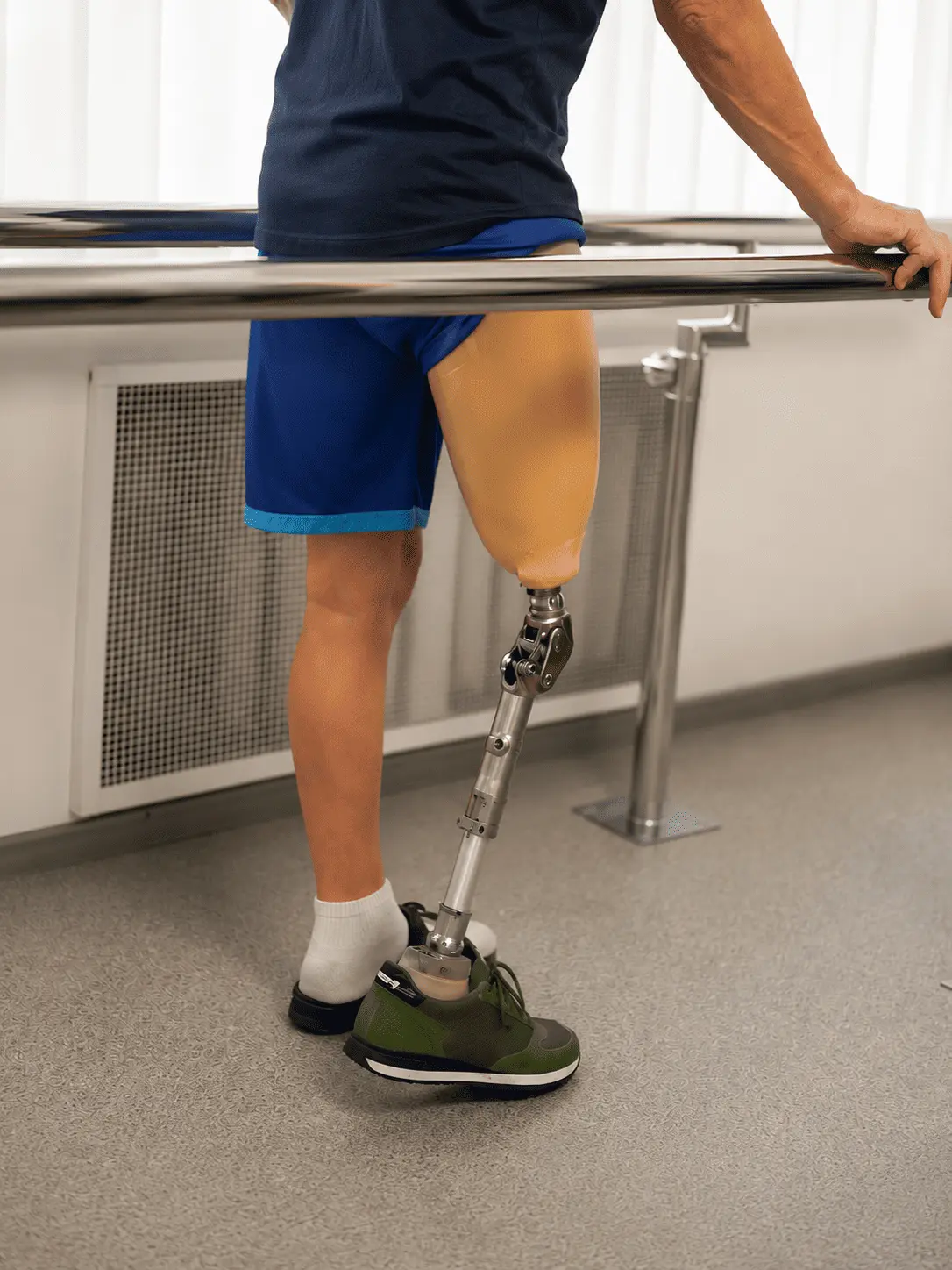
Even the most modern above-knee prosthesis cannot fully realize its potential without rehabilitation. During sessions, the patient learns to transfer body weight correctly, maintain balance, walk on various surfaces, climb stairs and use the prosthesis safely in everyday life.
In the first weeks, using the prosthesis may feel unfamiliar. This is a normal stage of recovery. Gradually the muscles grow stronger, the body gets used to the new load, movements become more confident and walking becomes more natural. The speed of adaptation is individual and depends on the level of amputation, health status and how regularly you train.
7
Regular check-ups help avoid problems
After receiving the prosthesis, it is important to visit the prosthetic technician periodically. Over time, the residual limb may change shape and volume, which affects the fit of the prosthetic socket. Timely adjustment helps avoid chafing and discomfort and preserves the maximum functionality of the prosthesis.
8
Prosthetics is a path to an active life, not just a replacement for a lost limb
A modern femoral prosthesis helps restore independence and return to work, study, sports and everyday activity. With a properly selected design, professional rehabilitation and the support of specialists, most patients regain confidence in movement and significantly improve their quality of life.
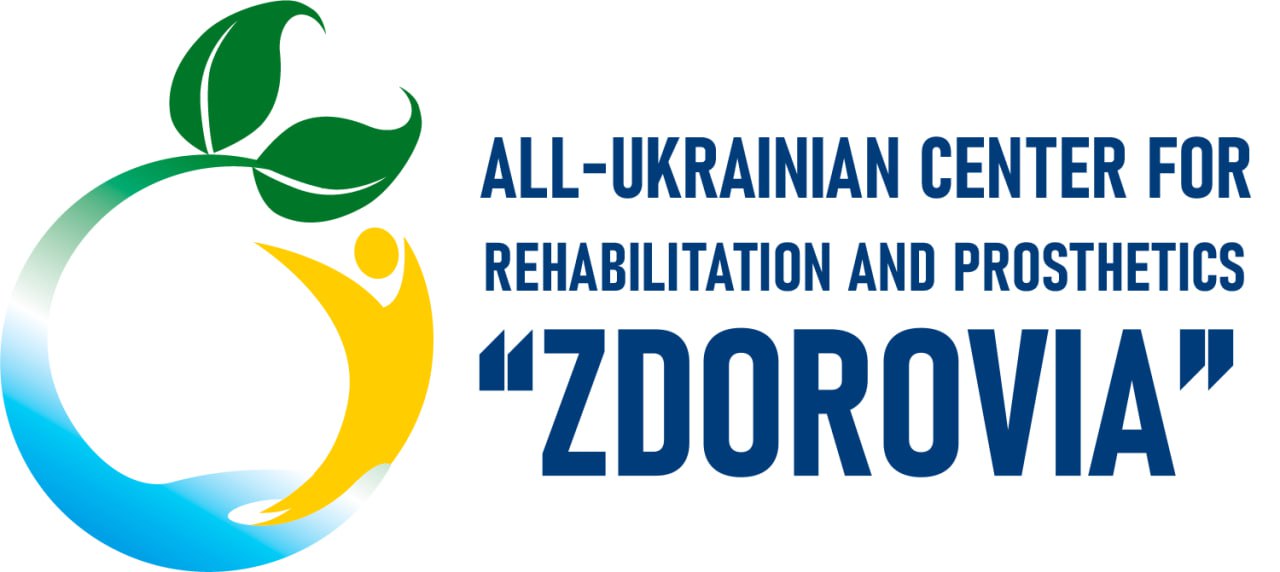





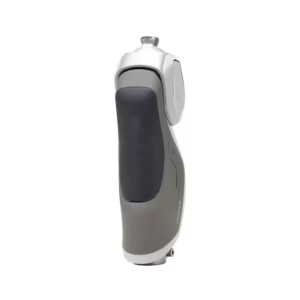 A reliable mechanical knee module with broad individual adjustment options. It provides stable walking, natural movement biomechanics and comfort in everyday use.
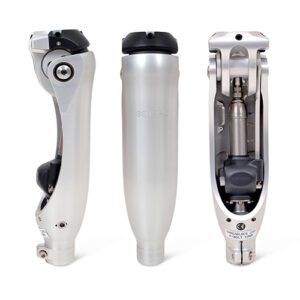 A modern knee module with an intelligent stance-load locking system. It increases safety while walking and helps you move more confidently on stairs and uneven surfaces.
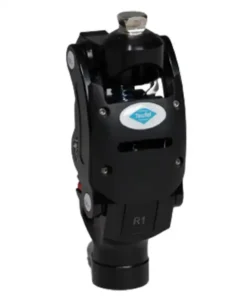 A hydraulic knee module that provides smooth flexion and extension of the leg, reduces the load on the joints and makes the gait more natural.
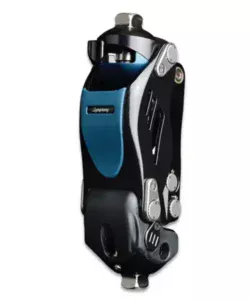 A high-tech hydraulic knee module made in Japan. It automatically adapts to changes in walking speed and helps maintain stability in various conditions.
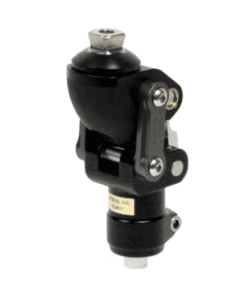 A reliable knee module for active users. It is distinguished by high strength and moisture resistance and is suitable for use in demanding conditions.
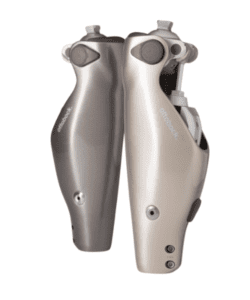 One of the best-known microprocessor knee modules in the world. It analyzes the user’s movements in real time and automatically adapts to changes in walking speed, stairs and uneven surfaces, providing a high level of safety.
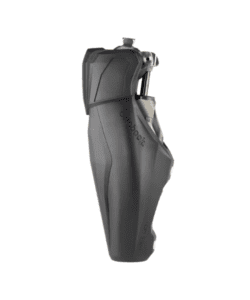 A highly functional microprocessor knee module for active users. It allows you to confidently overcome obstacles, move across difficult terrain and use the prosthesis even in high-humidity conditions.
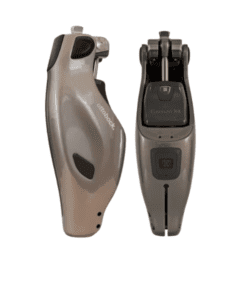 The new-generation flagship microprocessor knee module from Ottobock. It is equipped with an intelligent control system that automatically adapts the prosthesis to the user’s movements, providing the most natural gait possible and a high level of comfort.