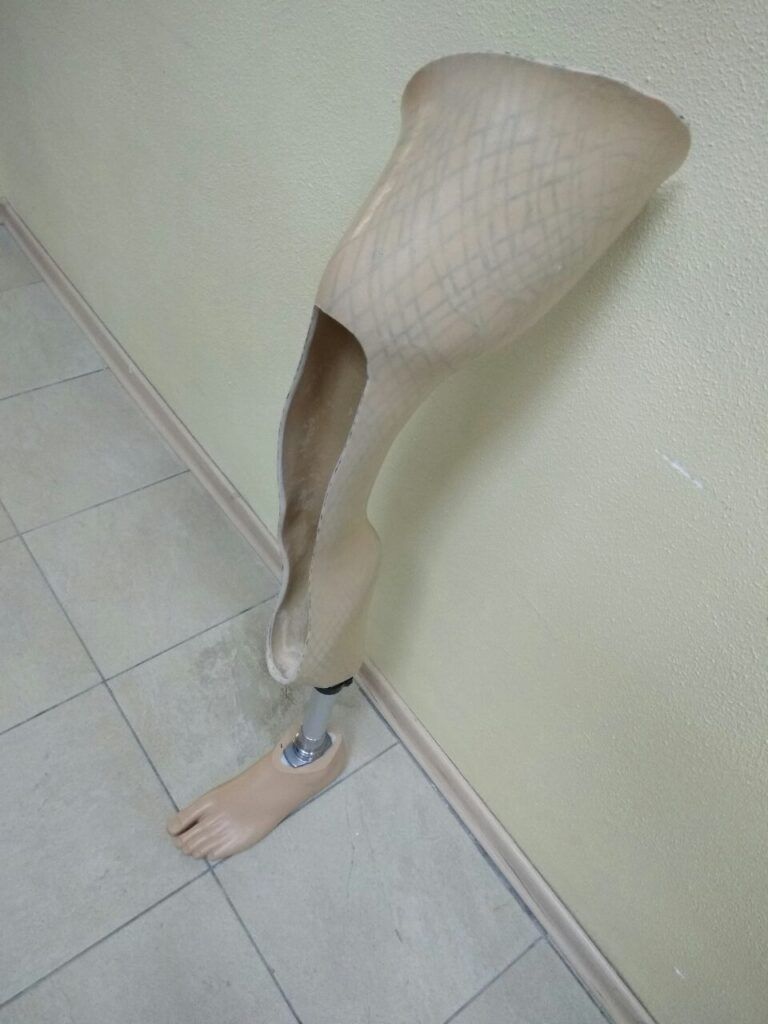
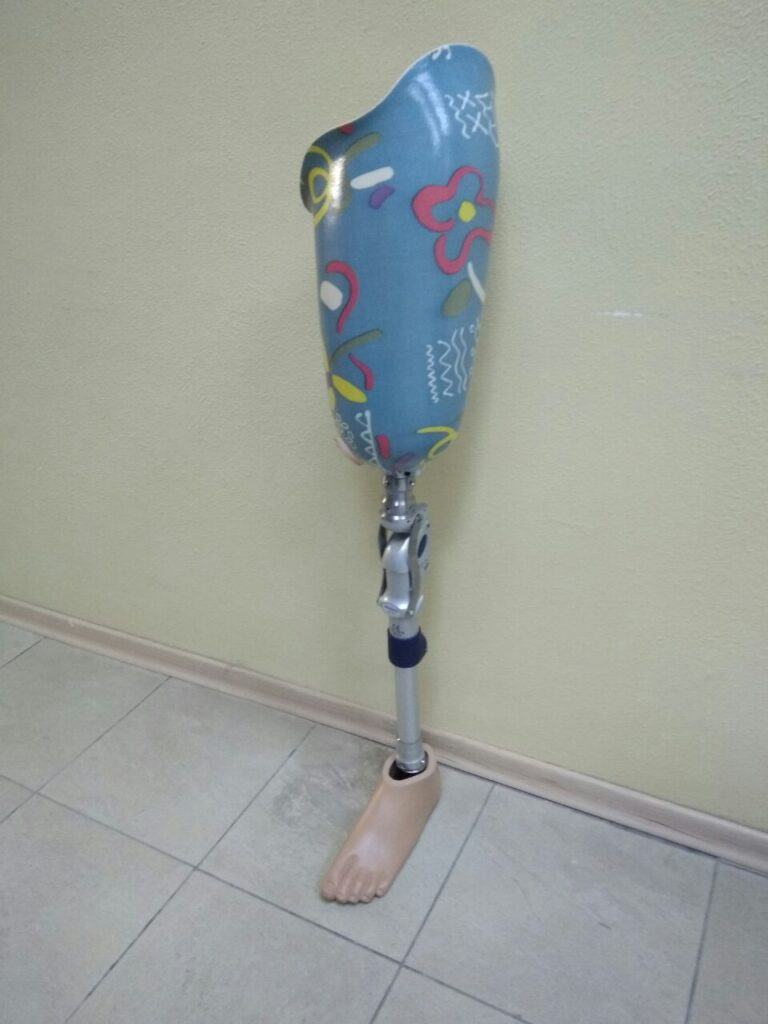
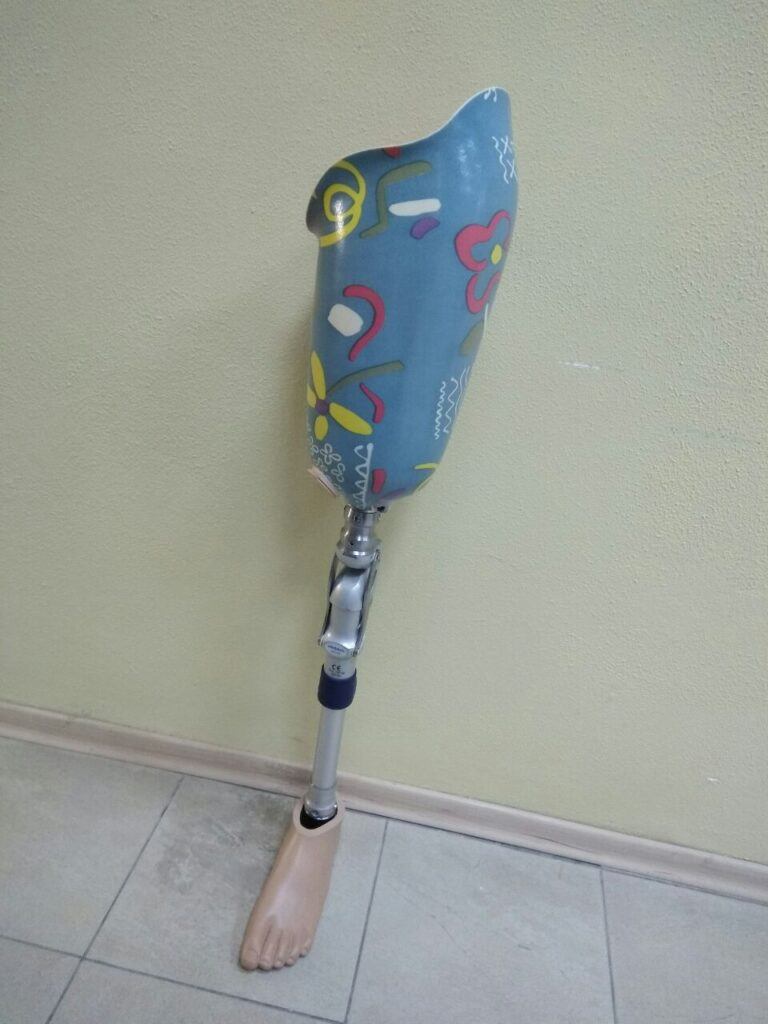
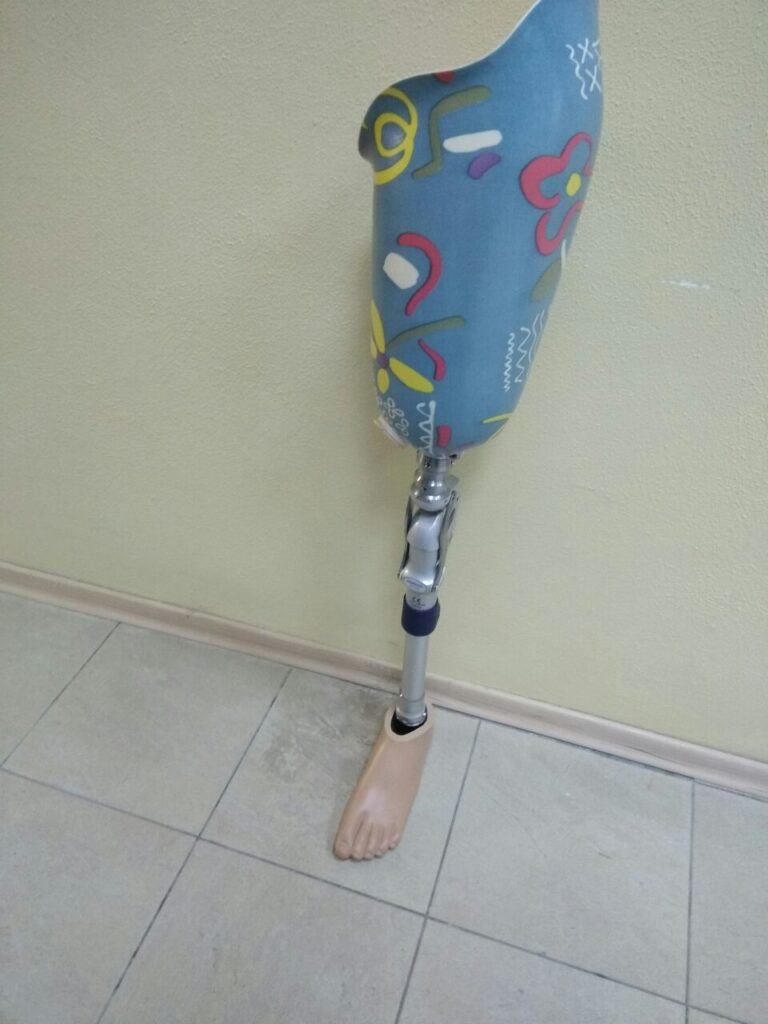
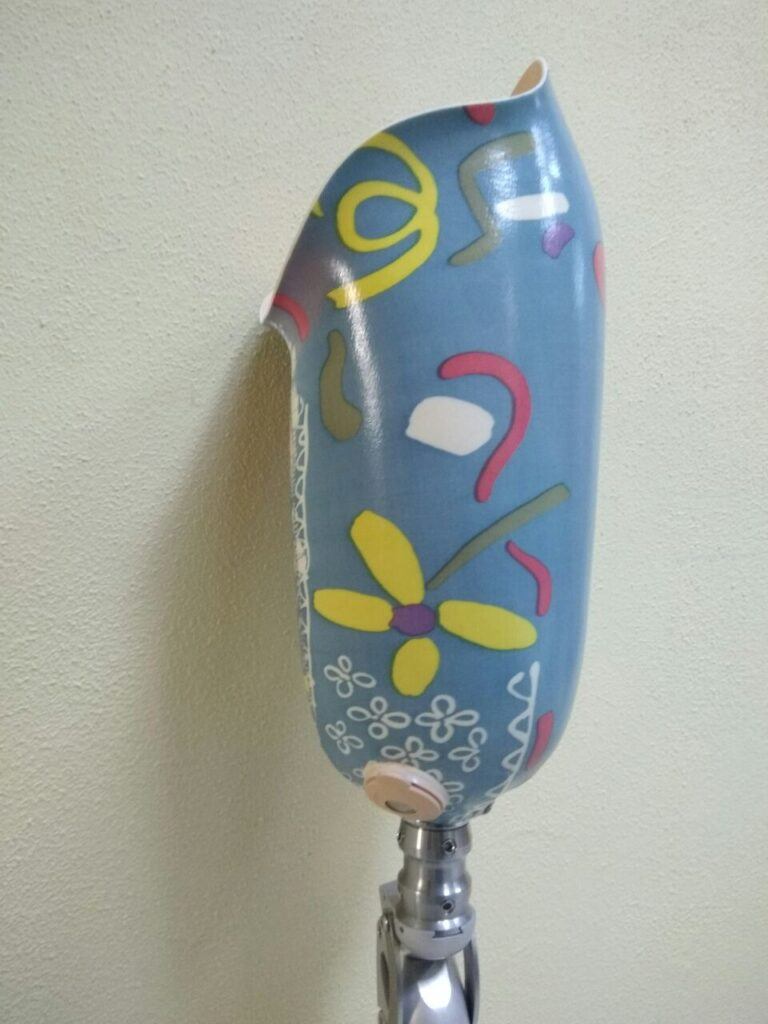
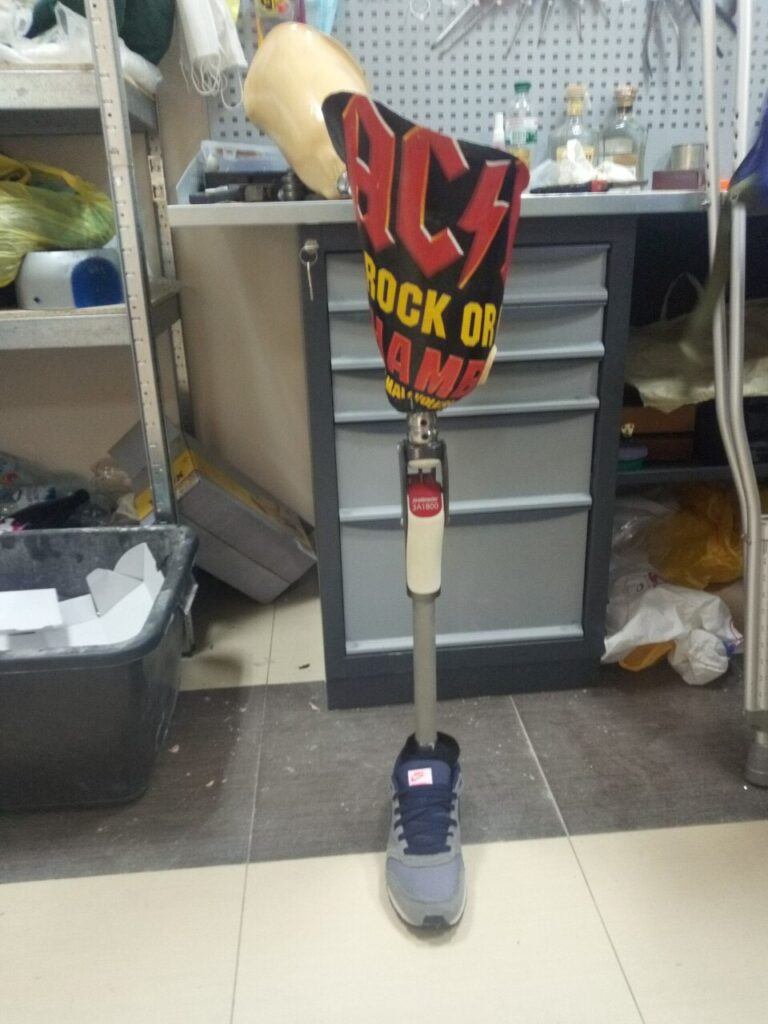
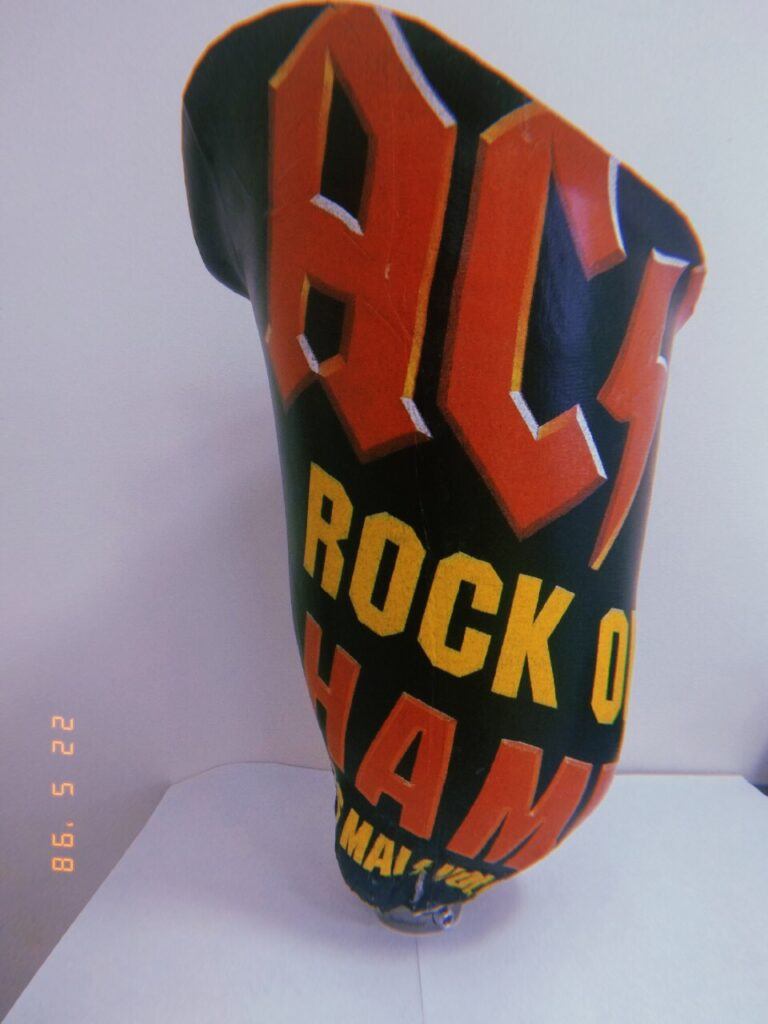
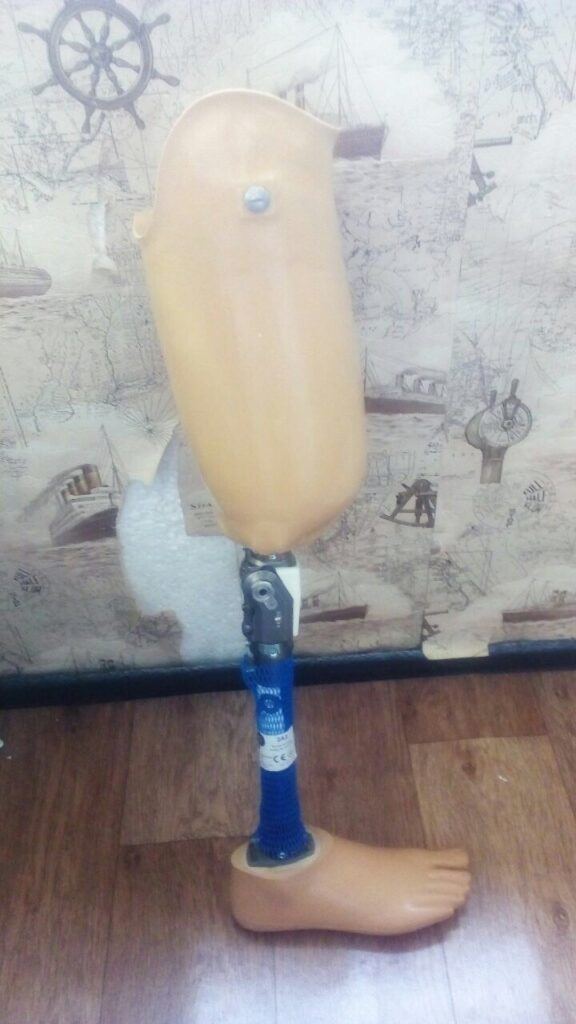
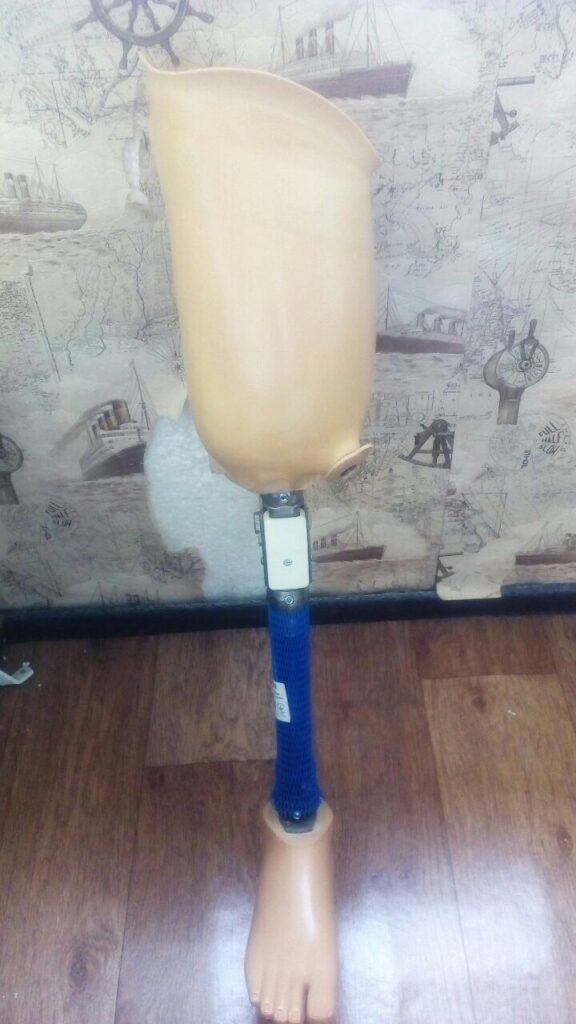
Prostheses for sports are made individually. This takes into account the peculiarities of the limb, the patient’s physiology and anatomy, and his or her lifestyle – in the case of sports prostheses, the sport and load are taken into account. There are options for a wide variety of activities:
- for running;
- for jumping;
- for cycling;
- for team games with the ball, such as football, voleyball, etc.;
- for skiing;
- for trekking;
- for power lifting;
- for martial arts, fencing, etc.
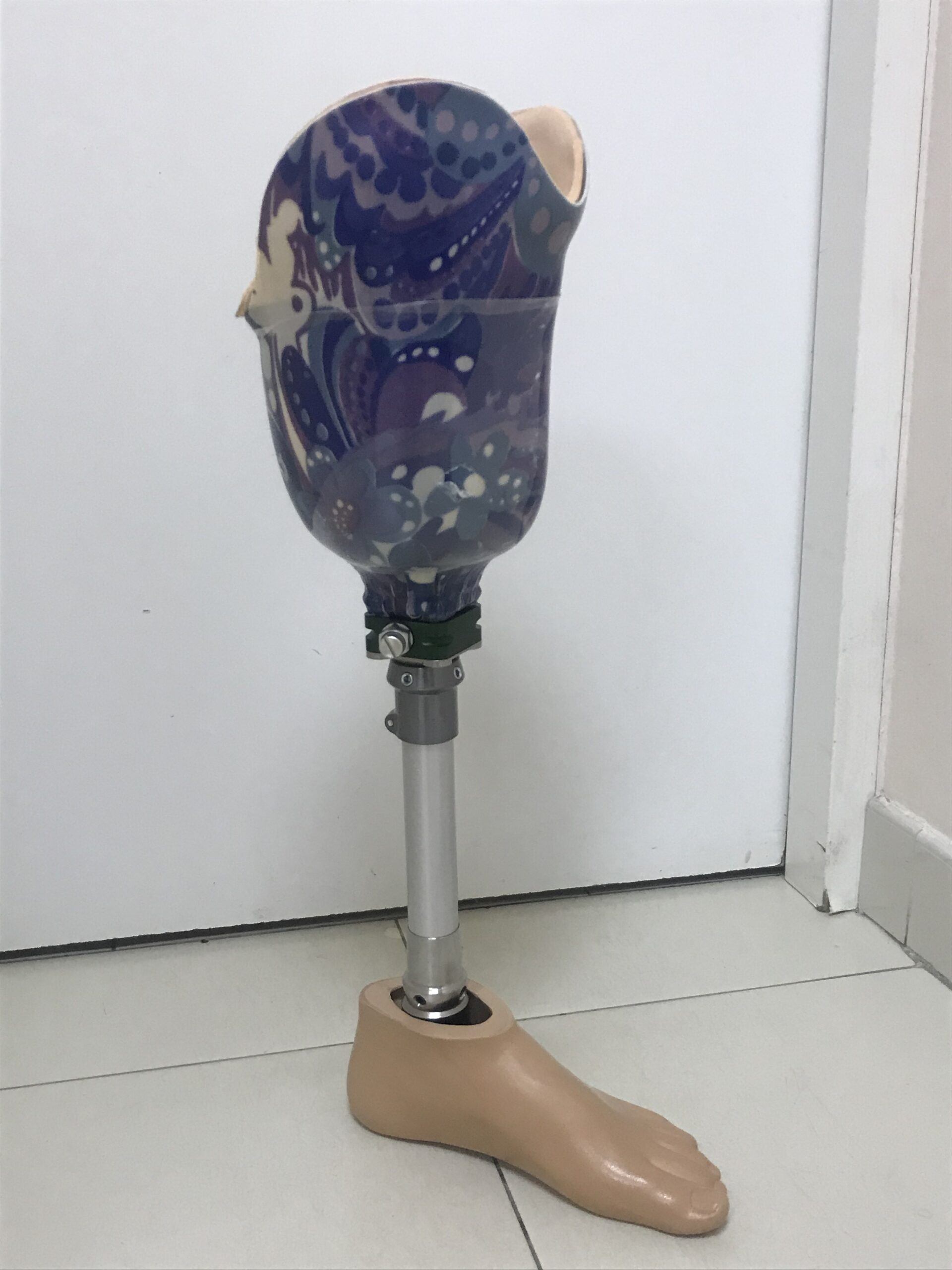
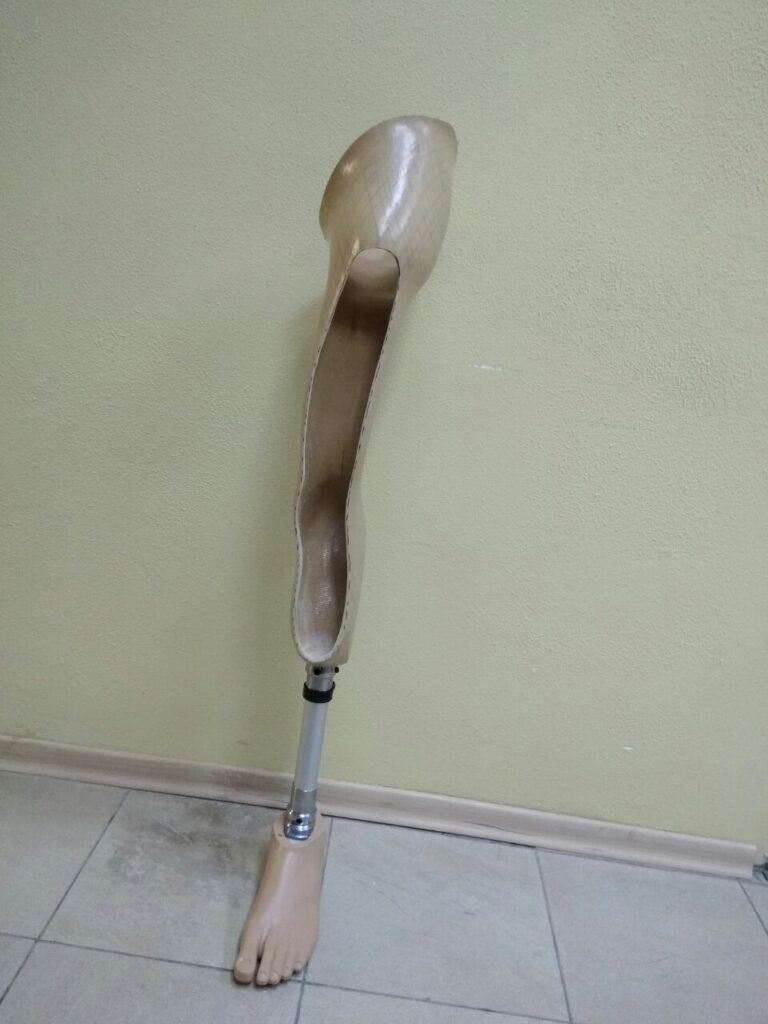
The socket of the residual limb socket is made to the individual measurement and should fit the residual limb as tightly as possible, ensuring comfort and secure fixation. The other parts of the prosthesis are standard, but can be precisely adjusted to the height, length and proportions of the user’s legs and their load.
This became possible thanks to the modular prosthetic technology invented by the engineers of the German company Otto Bock, which has been continuously improved since the 1960s.
Modular prosthetics allows you to assemble an individual prosthesis from industrially manufactured parts to meet the needs of each user.
The materials used for the manufacture of sports prostheses are modern layered carbon polymers and light alloys, which makes the products very light and durable, perfectly coping with the shock and dynamic loads that occur during sports. At the point where the prosthesis adheres to the surface, a material with a high coefficient of friction is used – it may vary for different sports.
The most widely used running prostheses are those with a missing heel. Structurally, this design resembles the paw of the fastest land animal, the cheetah. The wearer lands on the toe while running, after which the prosthesis compresses, absorbing the shock load, and, expanding like a spring, pushes the runner forward.
To minimize the loss of speed and force, the area of contact between the running prosthesis and the surface is minimized, and to counteract slipping in this area, a layer of material with a high coefficient of friction is applied to the sole.
As you can see from the description, this prosthesis is not very suitable for constant walking, as it does not provide balance, which does not play a role when running. However, modular technology has the advantage of allowing prostheses to be changed in just a minute, just as an athlete changes running shoes to casual shoes and back.
An example of such a highly specialized running prosthesis is carbon feet C-Sprint produced by the same Otto Bock. The runner is favored not only by their shape, but also by their ultralight weight, which, nevertheless, does not create a problem of shifting the center of gravity.
For winter sports – primarily skiing and snowboarding – as well as sports that involve rollerblading, sliding, etc. – The German company offers the ProCarve sports prosthesis, an innovative combination of a foot and knee joint that can be flexibly customized for a specific sport. The peculiarity of this prosthesis is that it is suitable for people with a preserved knee joint, as well as in its absence.
For non-professional sports or physical education, various companies produce special sports feet with special settings. A common feature of such prostheses is the presence of a brace in the design that connects the foot to the ankle joint. This brace, made of durable alloys, provides good cushioning when jumping and running. At the same time, the foot retains functionality for walking, but has additional shock absorbers in the heel area. Such prostheses are also suitable for cycling, playing basketball, tennis and other tasks.An example is the foot Challenger, which is suitable for use with sports shoes.
Such prostheses allow swimmers who have survived amputation to return to water sports. They are made only of polymeric materials and do not have hinges – a special method of attachment is used in swimming prostheses with rubber knee pads or vacuum attachment. The buoyancy of the prostheses is increased by drilling holes that do not weaken the structure as a whole.
Of course, any sports prosthesis, especially those with a specific specialization, takes time to master. In our center, after the prosthesis is made, a rehabilitation therapist works with the patient to help them get used to the product and start using all its strengths.