The price of an above-knee prosthesis may vary depending on the condition of the stump, the specifics of the amputation procedure (in particular, surgical or traumatic). The cost also depends on the type of prosthesis.
In our center, prosthetics is carried out exclusively on a free basis with modern German prostheses of two main types.
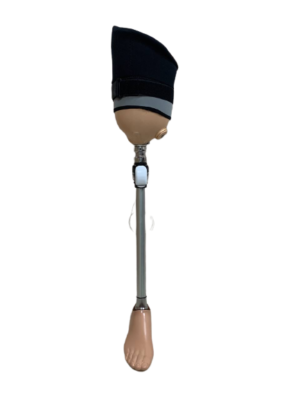
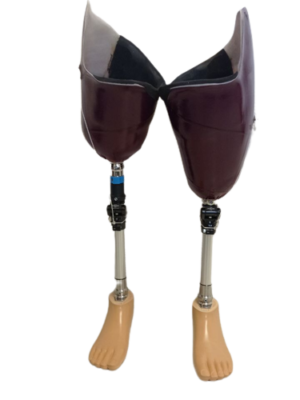
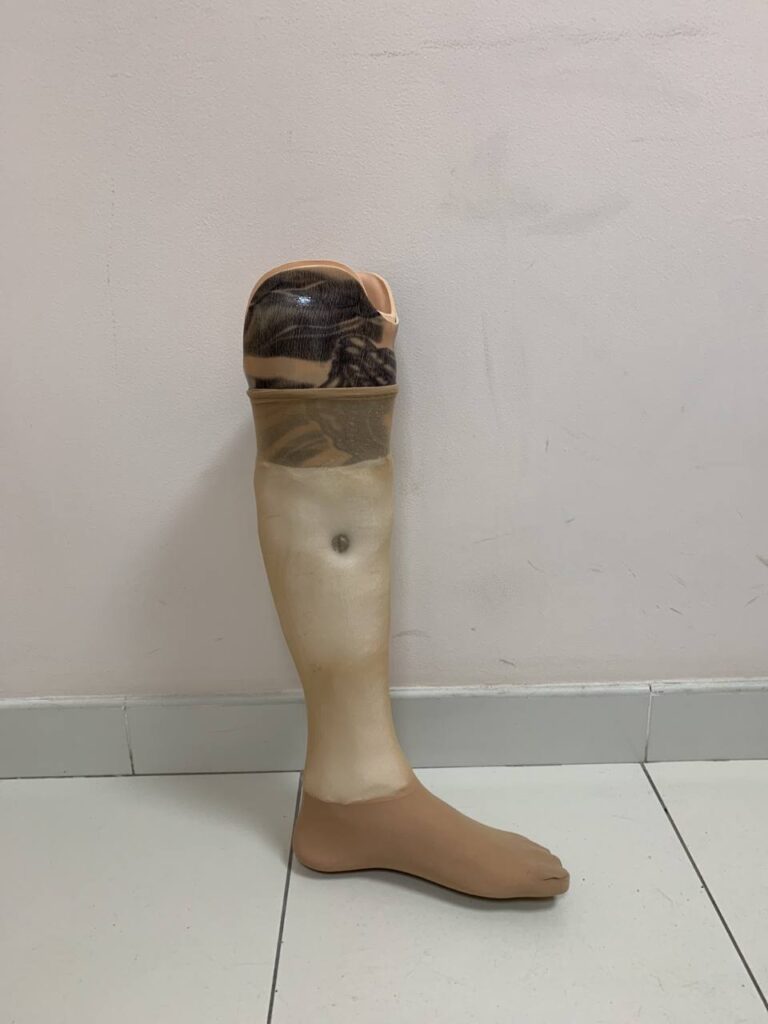
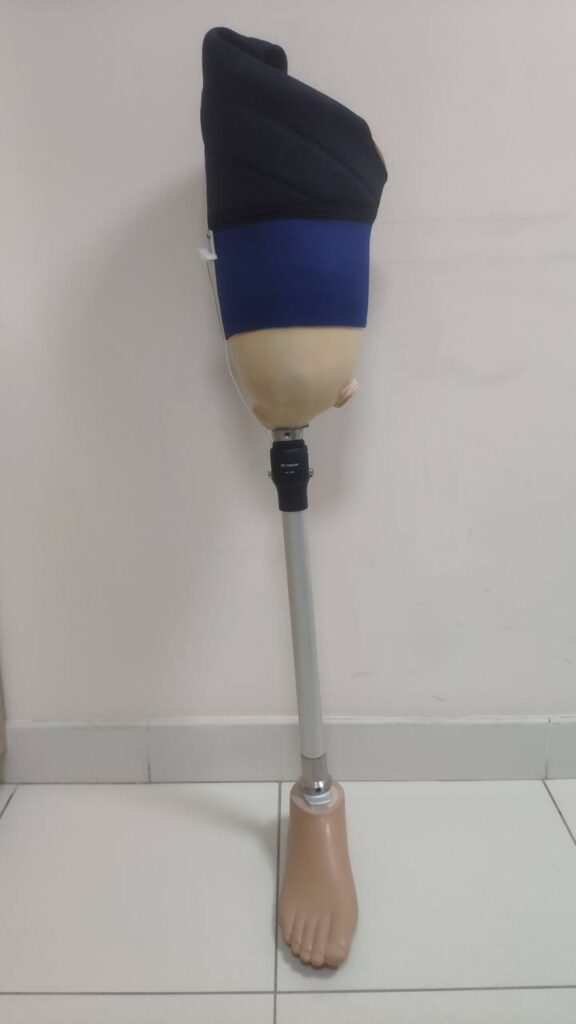
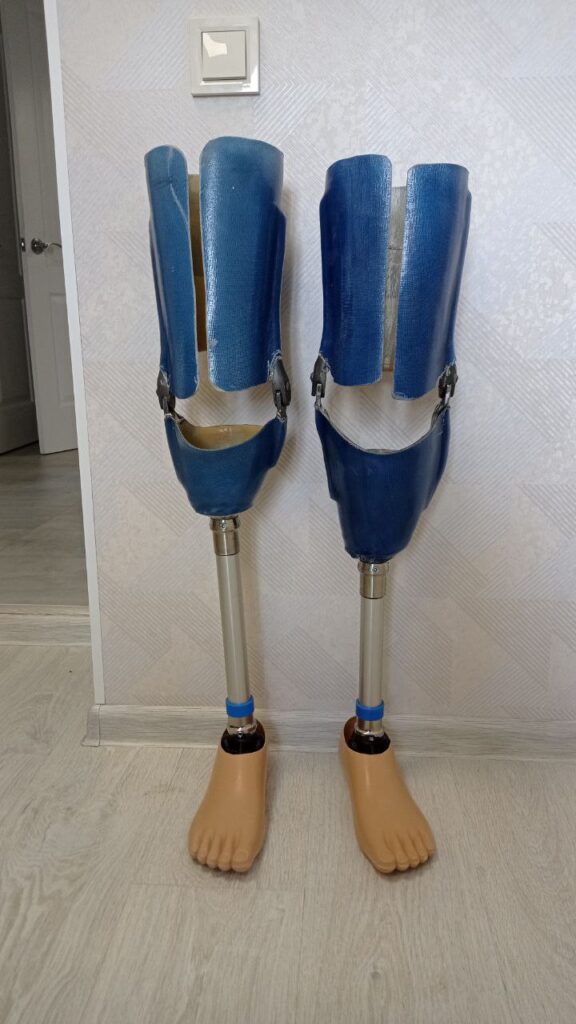
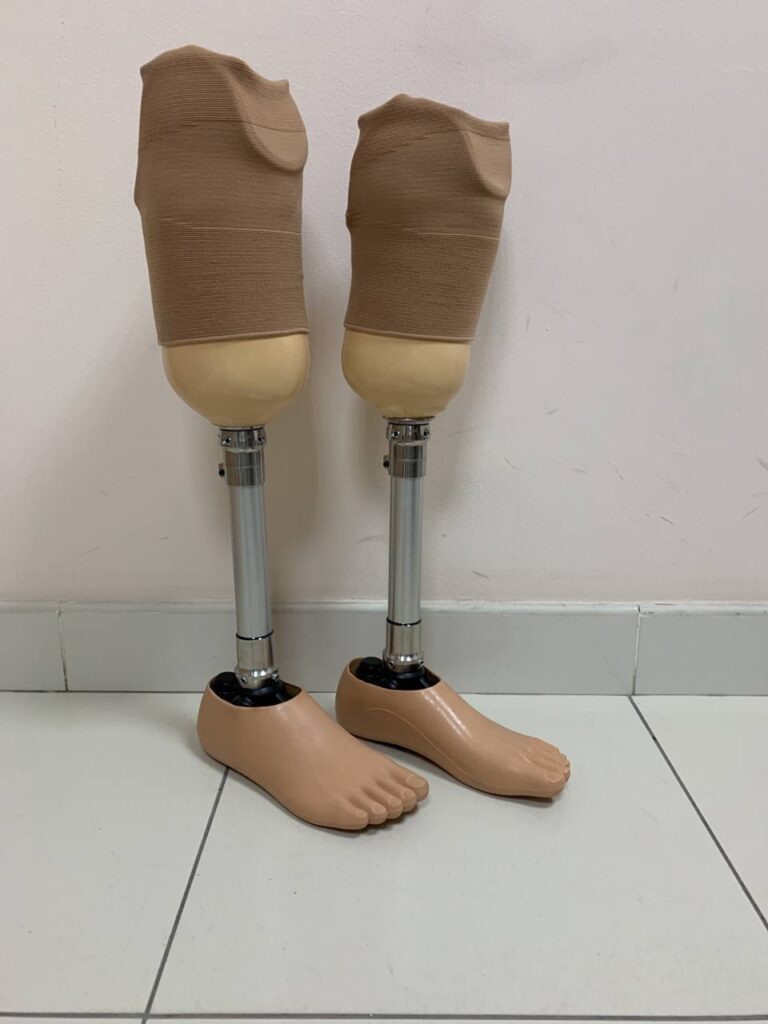
The first one is cosmetic prostheses. These are one-piece structures equipped with fasteners and reproducing the overall appearance of the lost limb. The main purpose is to provide support when walking on flat ground and have a cosmetic function. They are not suitable for intense sports and do not have any internal mechanical device.
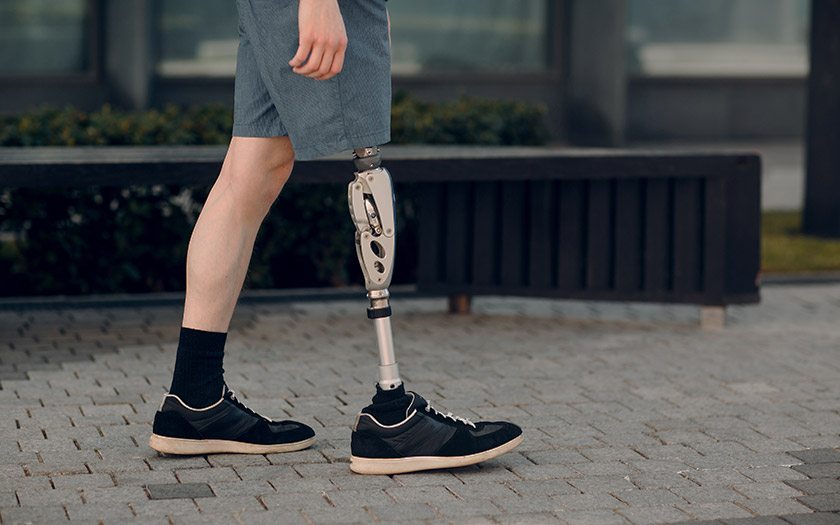
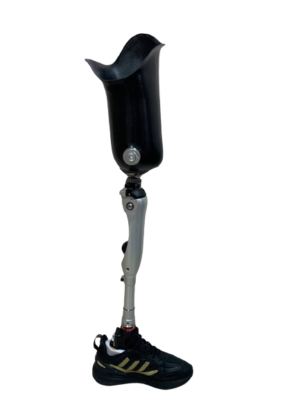
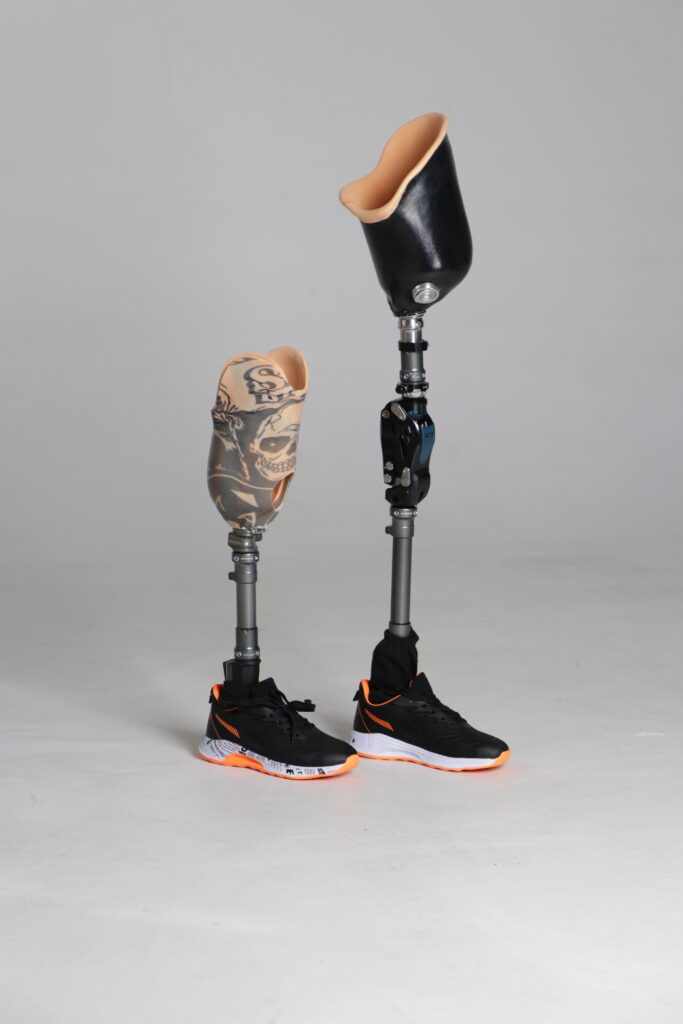
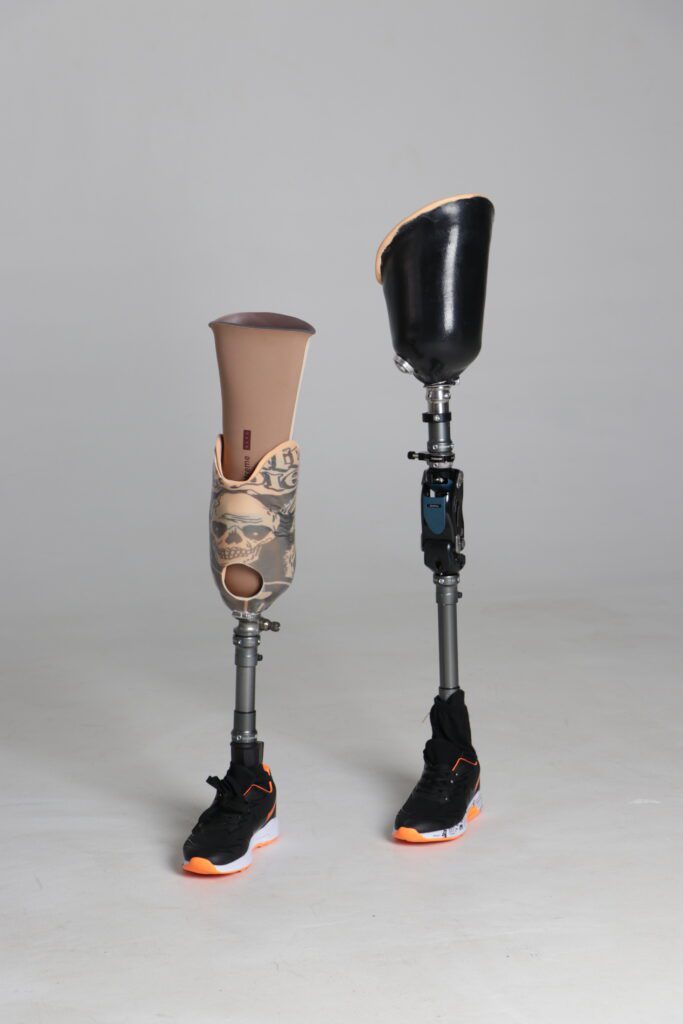
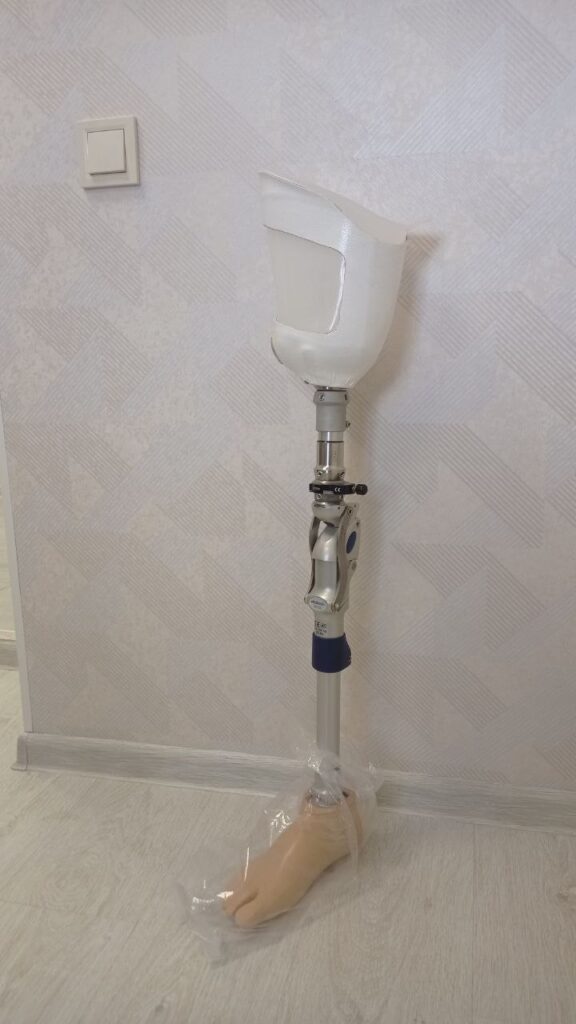
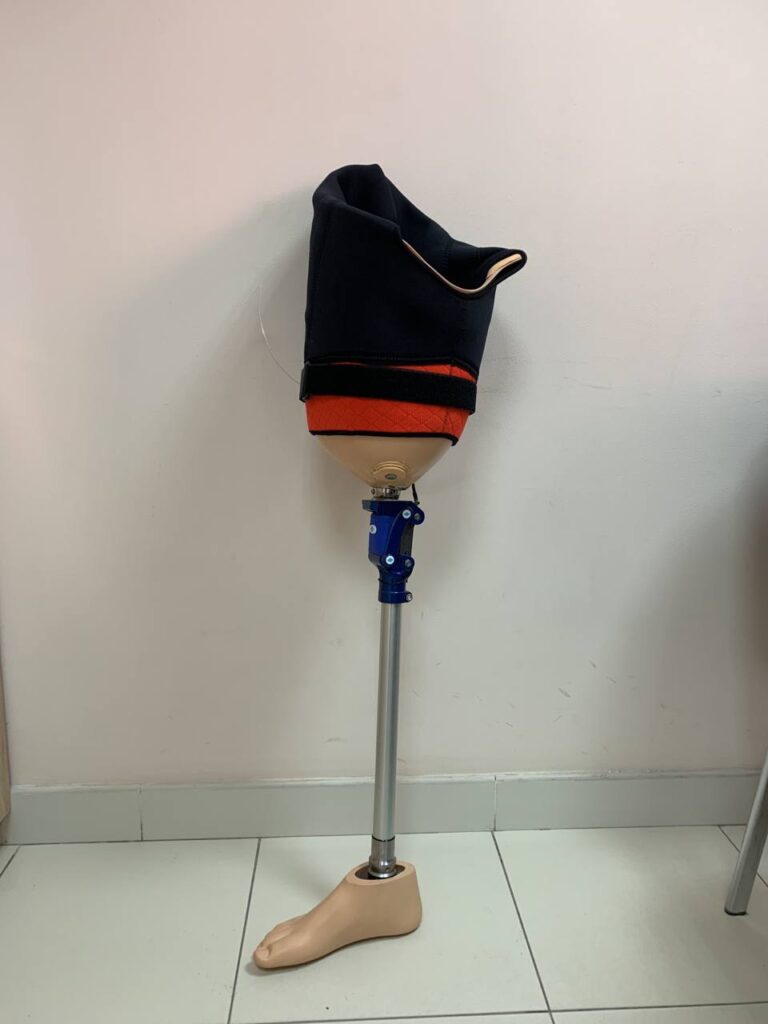
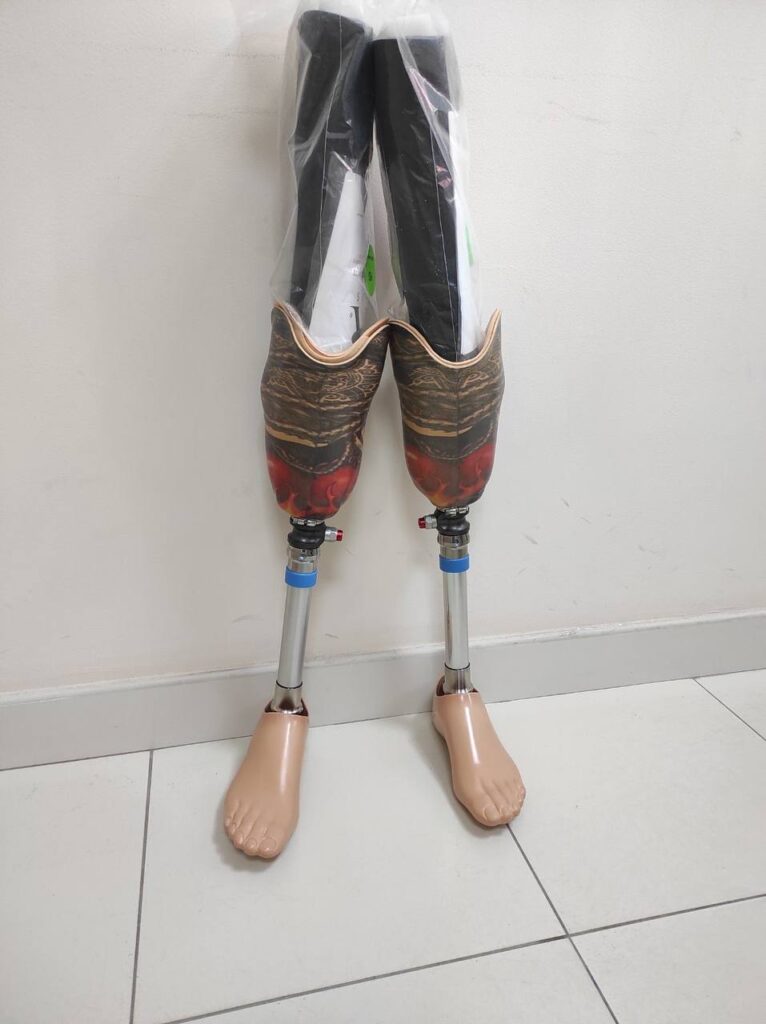
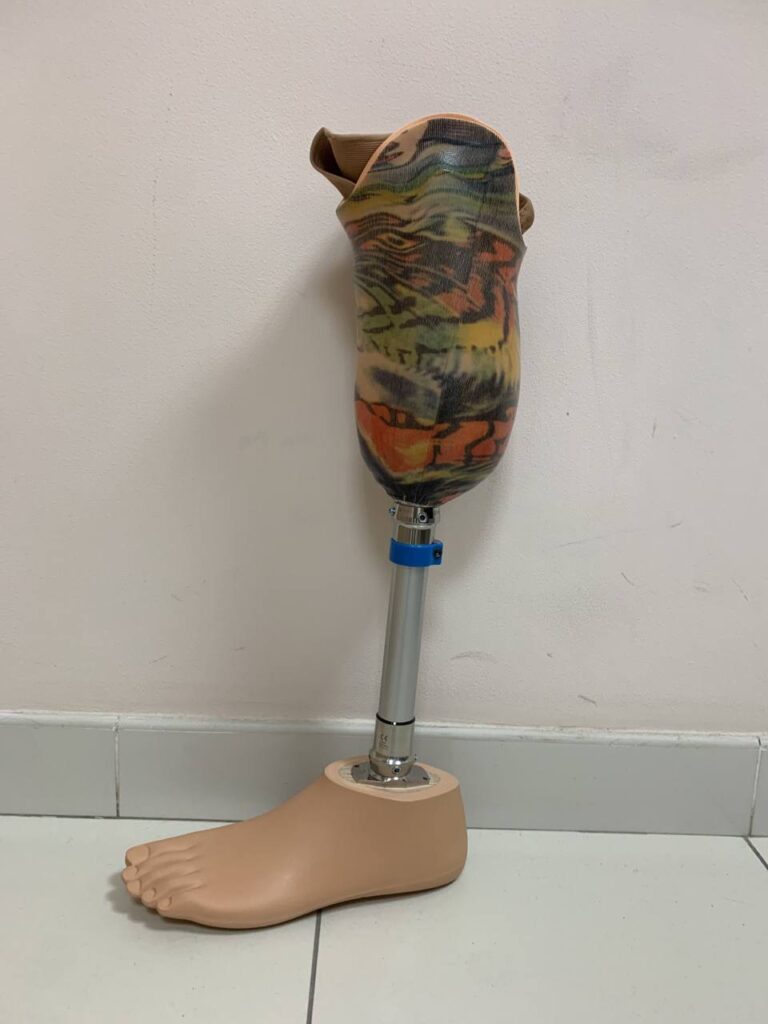
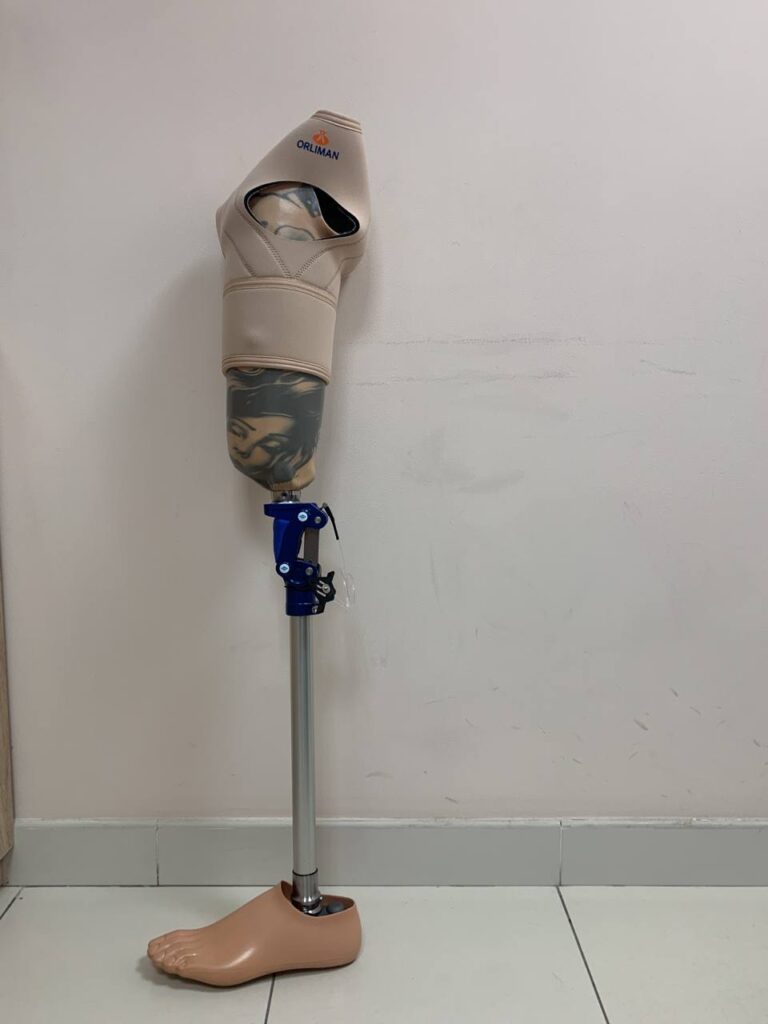
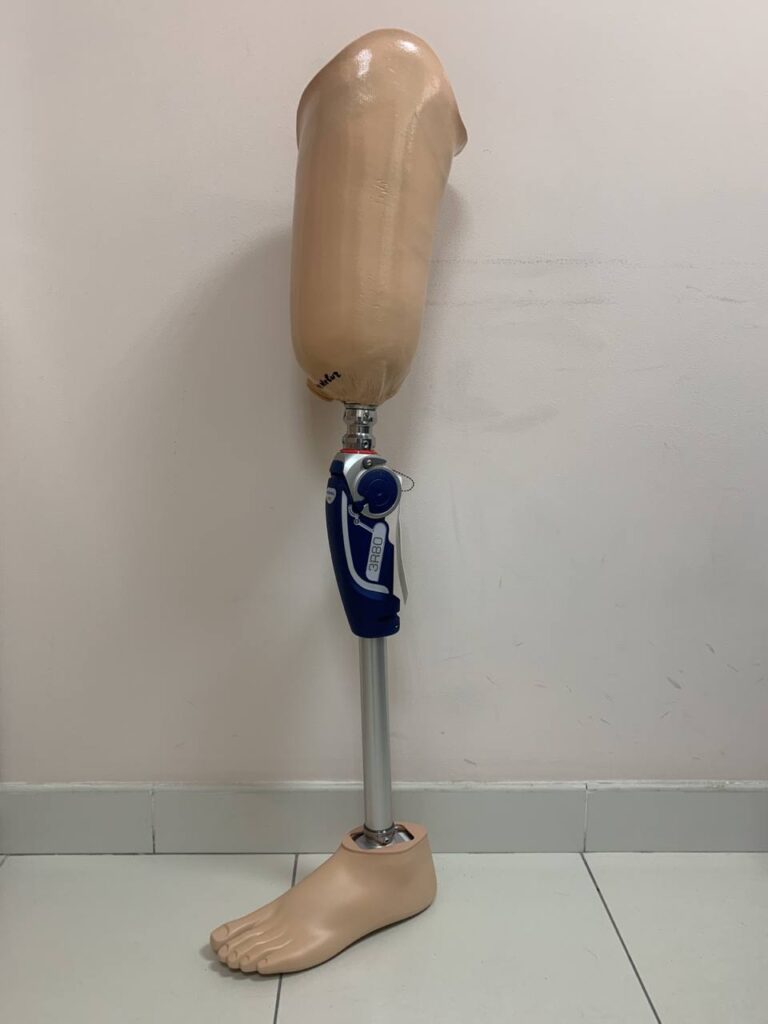
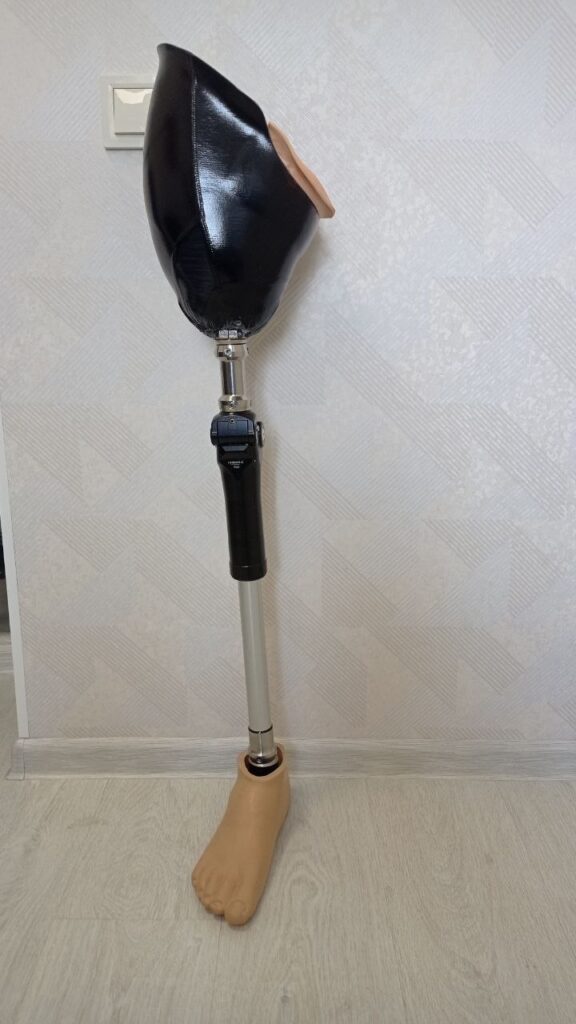
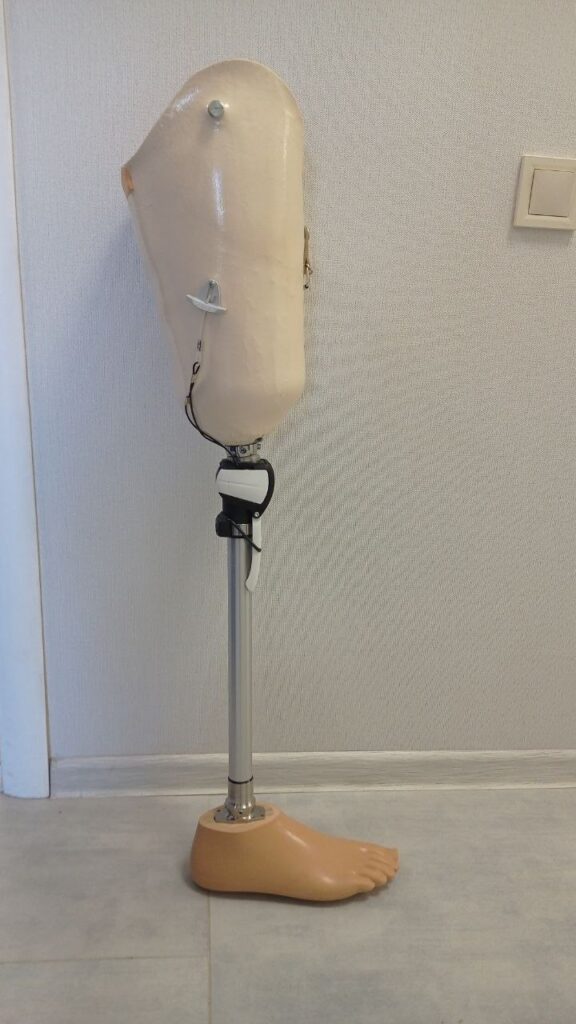
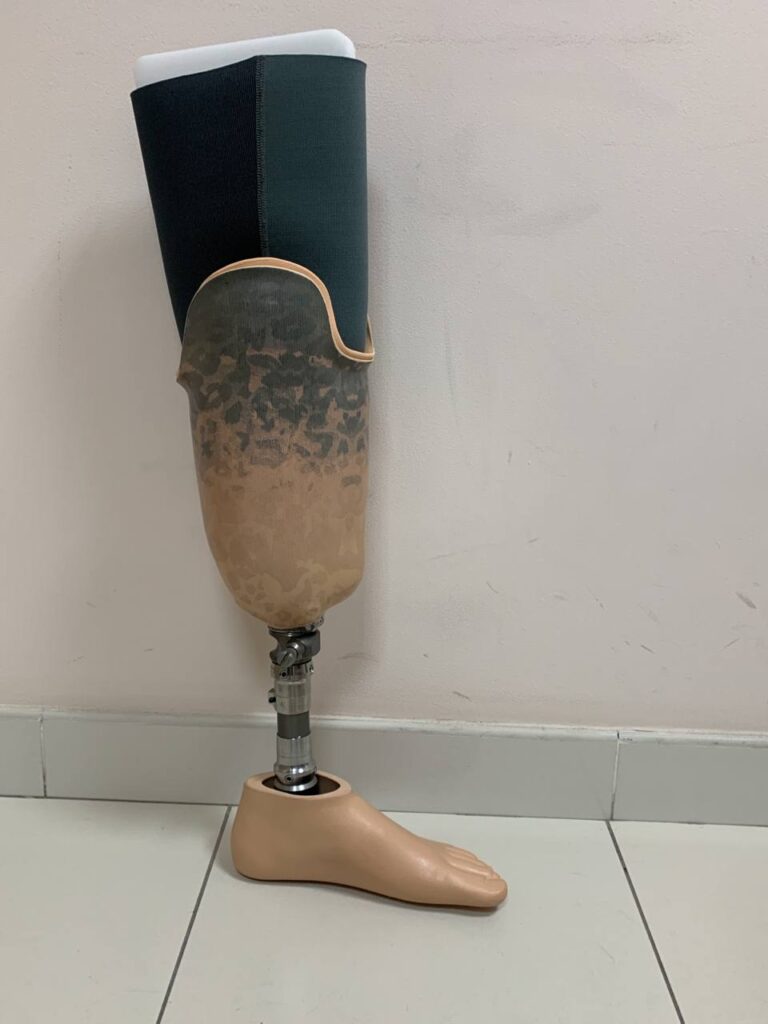
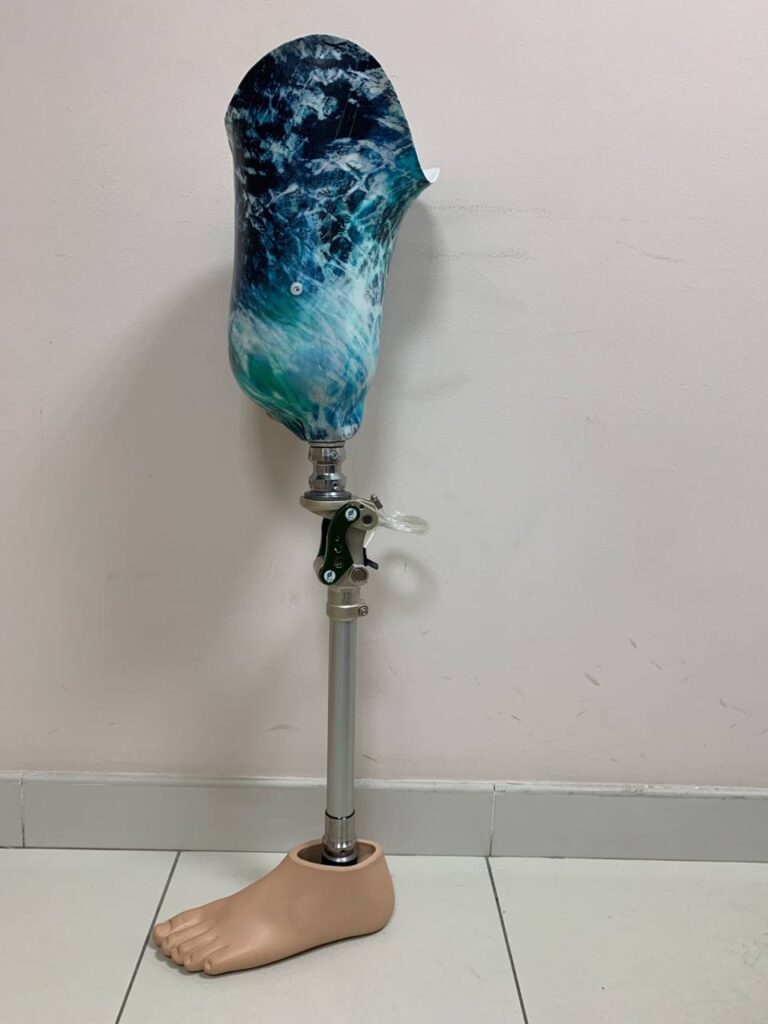
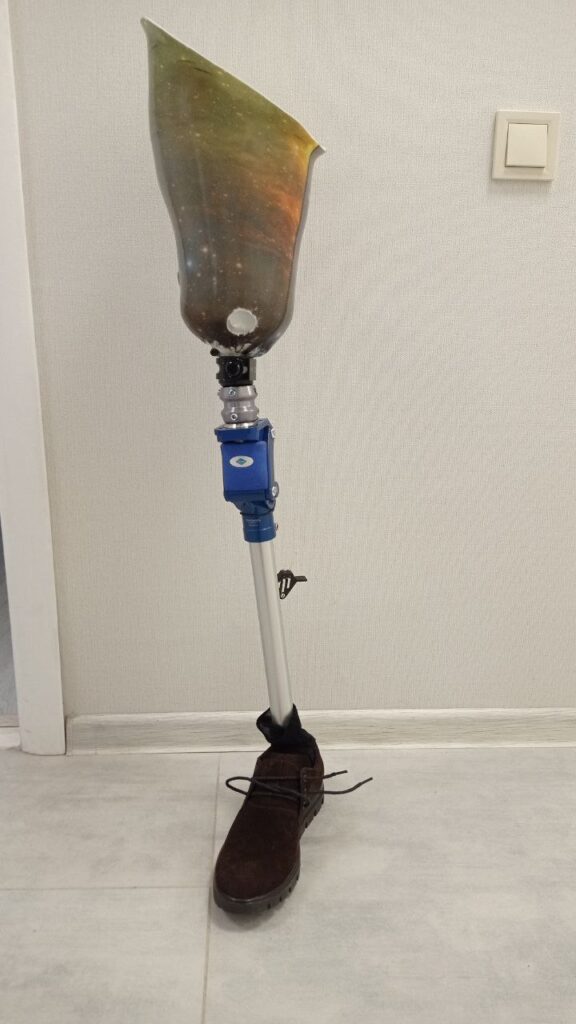
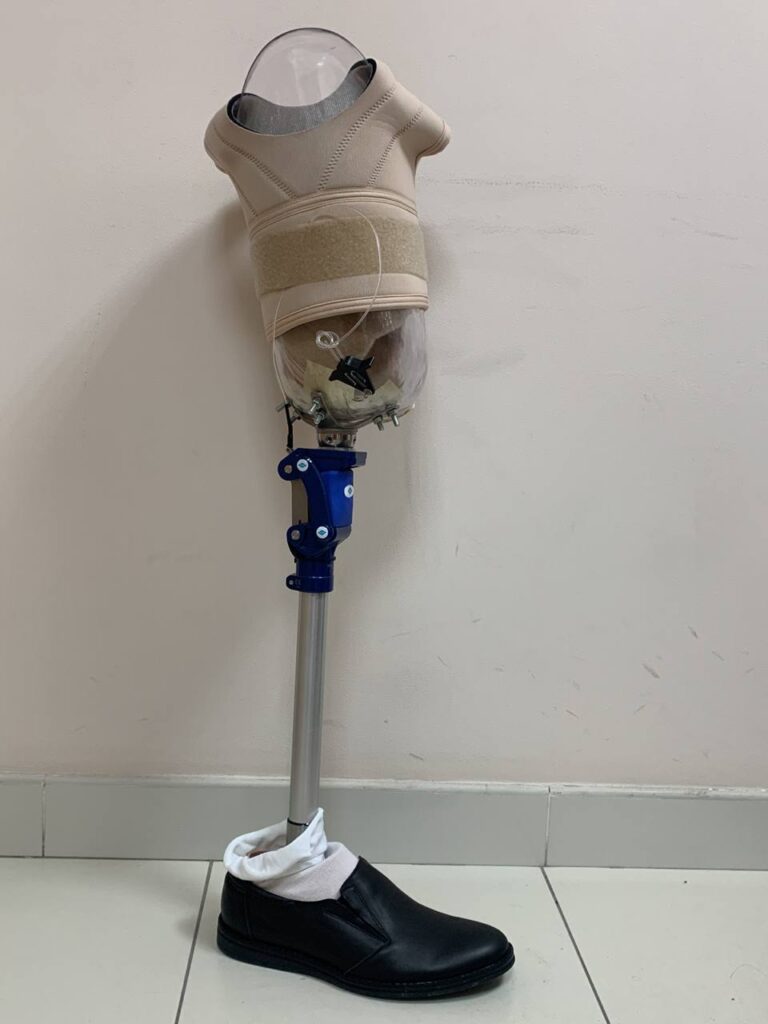
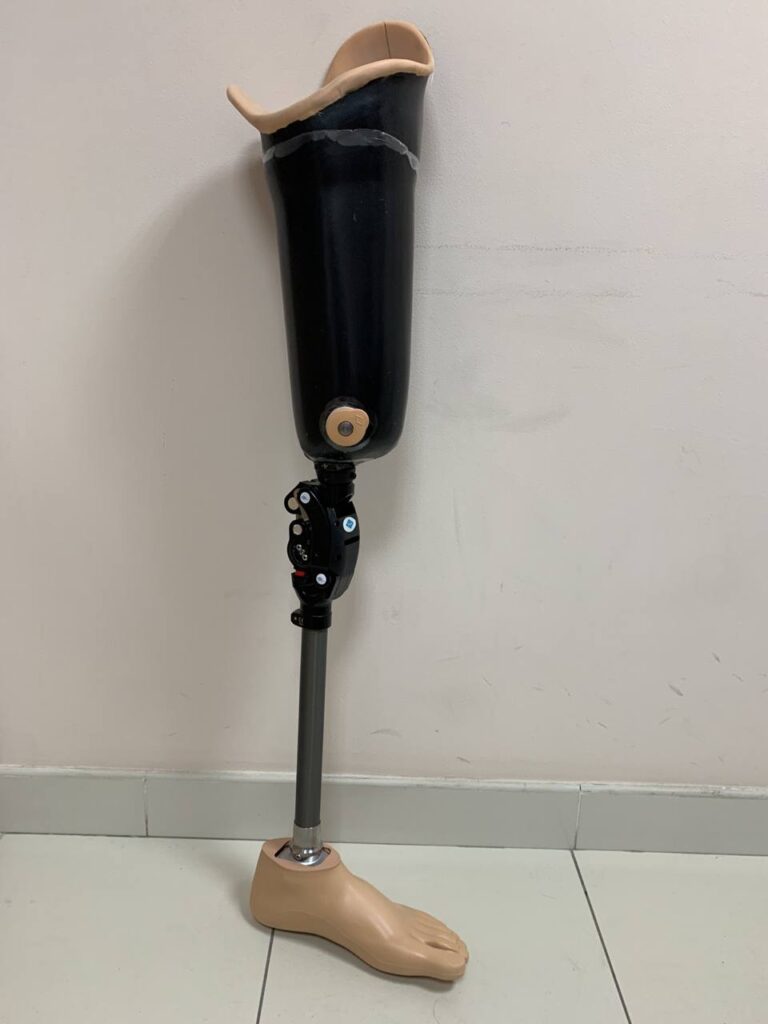
Prostheses of the second type are called modular. They are assembled according to individual measurements for each customer from separate components and adjusted to the height and proportions of individual body parts. The main components of such an above-the-knee prosthesis are two polycentric hinges at the knee and ankle joints. They must be perfectly matched in height and other parameters to the second leg to ensure that the user has a smooth gait and the ability to run and engage in other activities, including those requiring coordination.
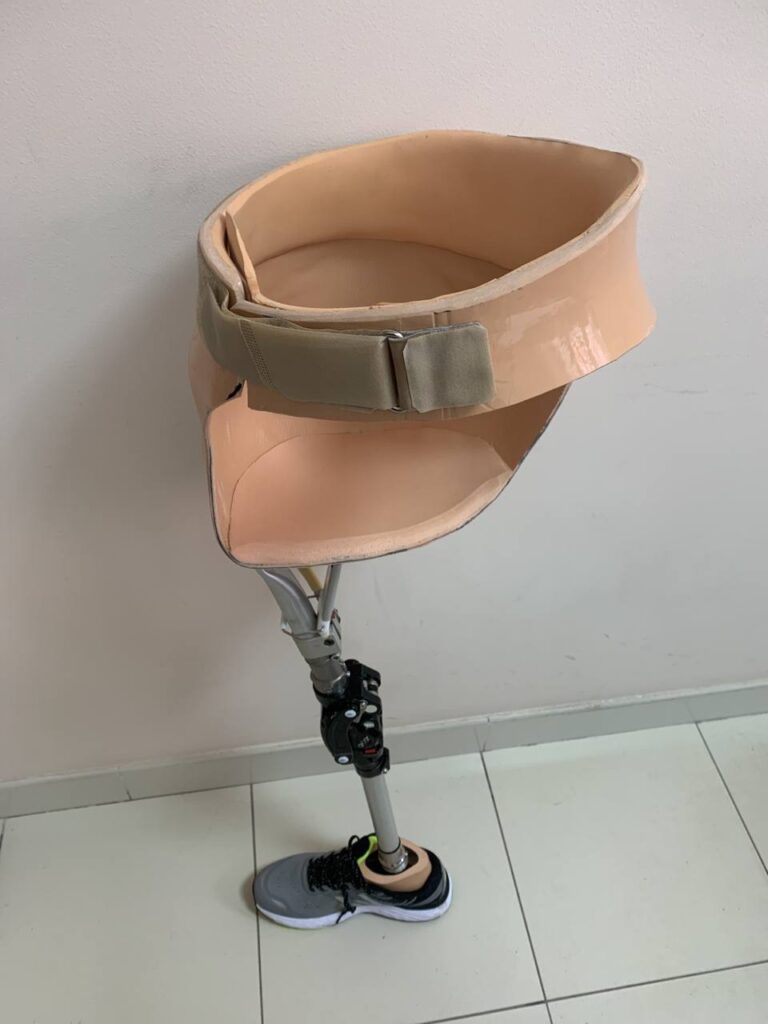
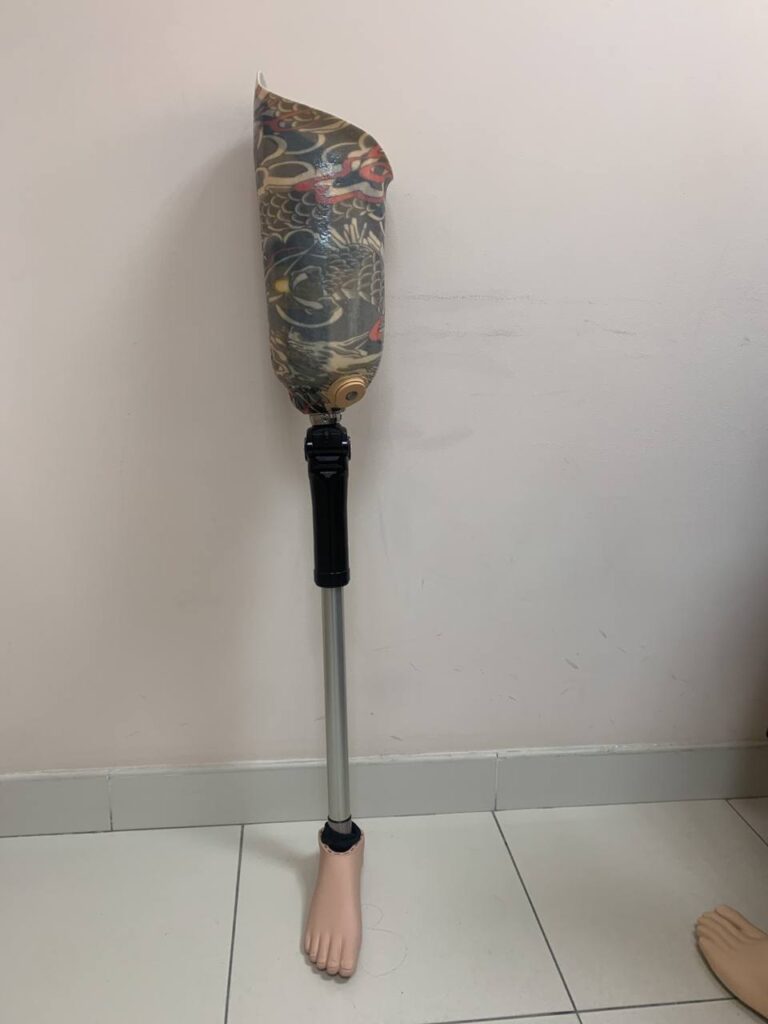
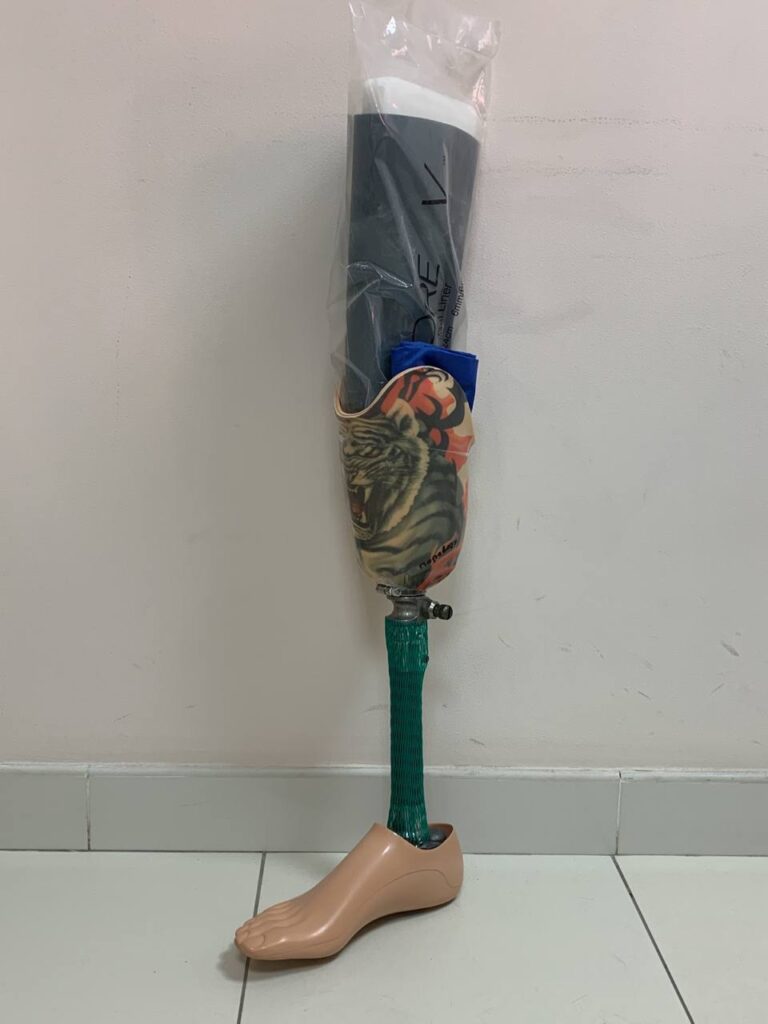
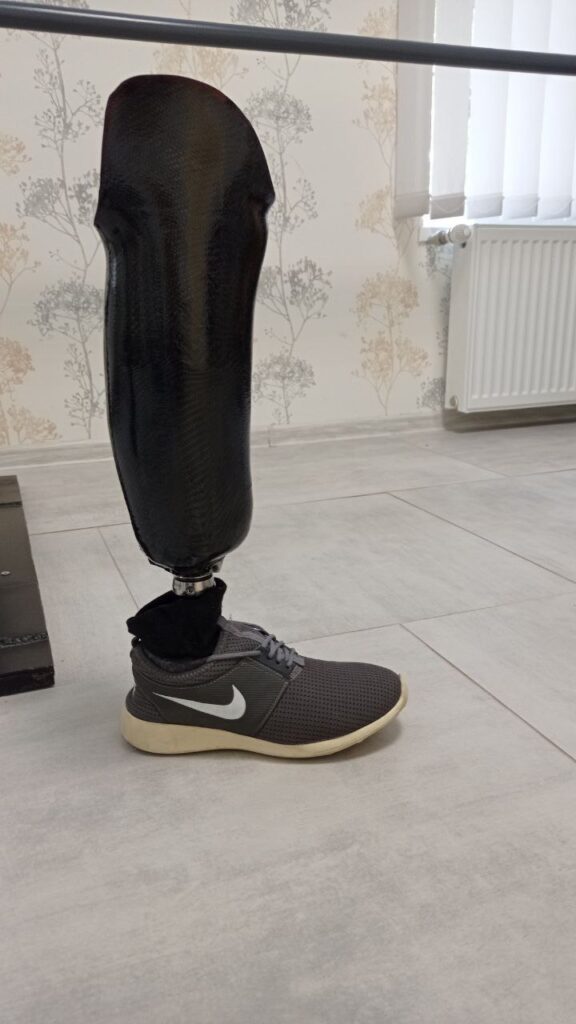
Prostheses of any type are attached with elastic bandages or corsets, and it is important that the residual limb is tightly and gently covered by the residual limb, creating a vacuum that additionally holds the prosthesis due to atmospheric pressure. The residual limb, equipped with a silicone liner, is manufactured separately – all prostheses above the knee are individual products.
A modular prosthesis consists of a residual limb socket made of a layered polymer, polycentric joints that favorably distinguish the joints, and adjusting and connecting devices. In modern modular prostheses, they look like tubes that connect individual elements and can be adjusted in height. An artificial foot for a modular prosthesis for a leg above the knee can be a replaceable element: foot designs have been developed for various activities, including professional sports.
The prosthesis linkage system allows the user to transmit the force generated by the muscles of the entire leg to the polycentric joints. Thanks to this, the prosthesis can not only be worn, but also used as a full-fledged leg after a little training with a specialist.